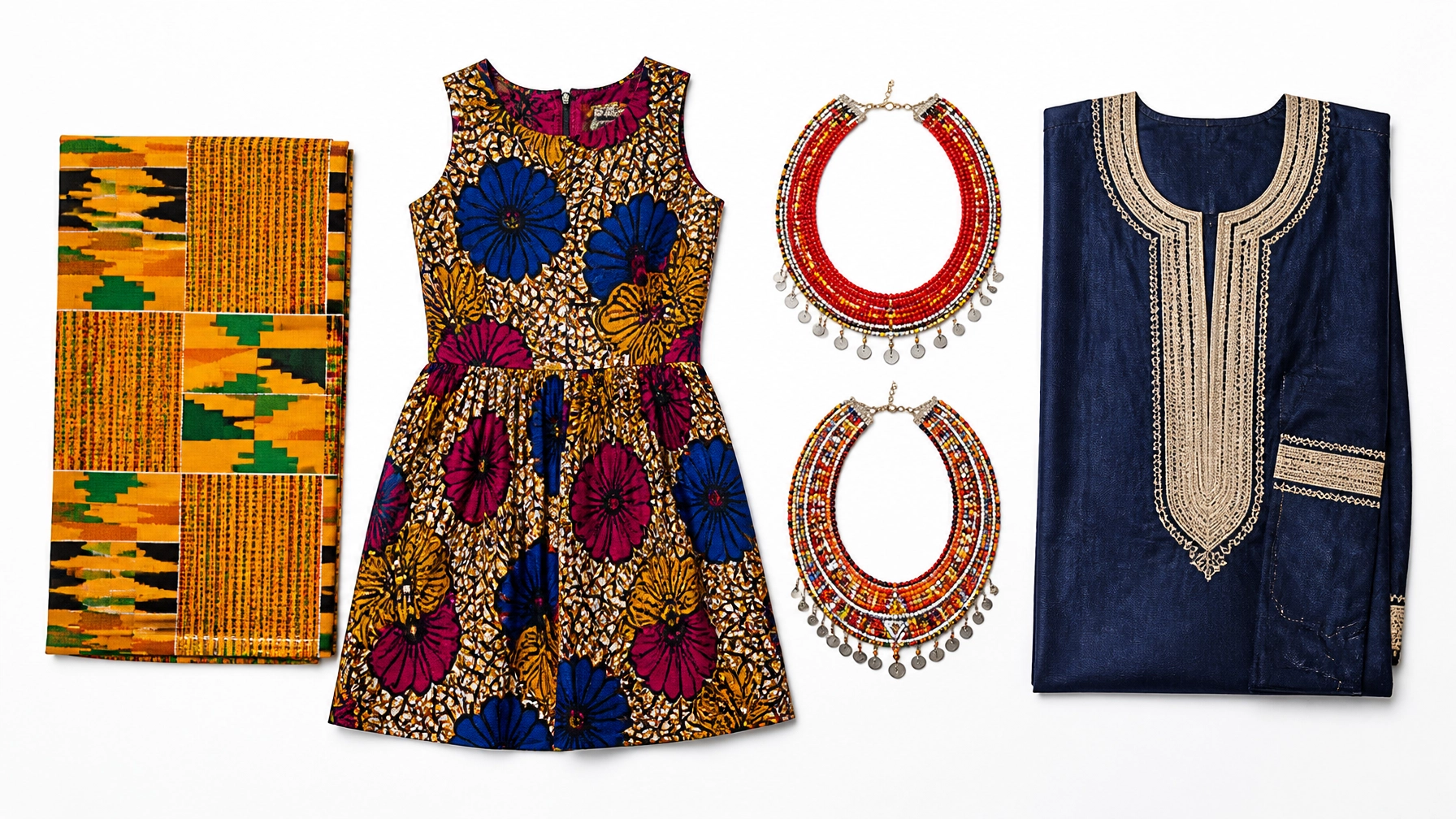
For many of us living in the diaspora, fashion is more than just clothing; it is a powerful thread that connects us to our roots, our families, and our shared history. Whether you are preparing for a wedding, a naming ceremony, or a community gala, wearing traditional attire is a way to carry the spirit of home with you. At BaoAfrik, we understand that finding authentic, high-quality African fashion can be a challenge when you are miles away from the bustling markets of Lagos, Accra, or Nairobi.
Our mission is to bridge this gap by providing a community-focused peer-to-peer marketplace where buyers can connect directly with sellers who offer genuine African textiles and garments. By fostering these direct connections, we help you find the unique, handcrafted pieces that make you stand out while celebrating the rich heritage of the continent.
The Versatility of Wax Prints: Ankara / Kitenge / Chitenge
The most recognizable element of African fashion is undoubtedly the vibrant, patterned cotton fabric known as Ankara (West Africa), Kitenge (East Africa), or Chitenge (Central and Southern Africa). These fabrics are celebrated for their bold colors and intricate symbolic designs, making them a staple for both everyday wear and high-profile events.

Understanding the Material
Authentic Ankara is a 100% cotton fabric produced using a wax-resist dyeing technique. This process ensures that the colors remain vibrant even after multiple washes. In the marketplace, you will often find these sold in standard measurements:
- Full Bolt: 12 yards (approx. 11 meters)
- Half Bolt: 6 yards (approx. 5.5 meters)
- Standard Weight: 120-150 grams per square meter (GSM)
How to Style for Events
- Women: For weddings, Ankara is often used for "Aso Ebi": the practice of family and friends wearing matching fabrics. Popular styles include mermaid-cut gowns, peplum blouses paired with wrappers, or modern jumpsuits.
- Men: While traditionally used for casual shirts, Ankara is increasingly used for semi-formal blazers or as decorative accents on solid-colored tunics.
When looking for these fabrics, it is helpful to search for regional variations. For instance, if you are looking for the lighter, often more floral-patterned wraps popular in East Africa, search for Kanga / Leso.
Royal Heritage: Kente / Handwoven Strip Cloth
Originating from the Akan people of Ghana, specifically the Ashanti and Ewe kingdoms, Kente (Ghana) is a textile steeped in royalty and prestige. Unlike printed fabrics, Kente is handwoven in long, narrow strips that are later sewn together to create a larger cloth.

The Art of the Weave
Each pattern and color in a Kente cloth carries a specific meaning. For example, gold represents royalty and wealth, while green signifies spiritual growth and renewal. Because it is hand-produced on a loom, authentic Kente has a distinct weight and texture that sets it apart from machine-printed imitations.
- Material: Silk and cotton blend
- Origin: Bonwire (Ashanti Region) or Agotime-Kpetoe (Volta Region), Ghana
- Typical Dimensions: Men’s wraps are often 8 to 10 feet long.
Stand Out at Your Next Event
Kente is the ultimate choice for graduations, traditional weddings, and state functions.
- The Toga Style: Men wear a large piece of Kente wrapped over one shoulder, leaving the other bare: a look that commands respect and denotes status.
- Kaba and Slit: Women often wear a tailored Kente top (Kaba) and a matching long skirt (Slit) for a formal, elegant silhouette.
The Grand Entrance: Agbada / Boubou / Grand Robe
If you want to make a statement at a formal gathering, nothing compares to the majestic Agbada (Nigeria – Yoruba). Also known as a Boubou (Francophone West Africa) or a Grand Robe, this three-piece ensemble is the pinnacle of West African masculine formalwear.

Components of the Set
A complete Agbada set typically consists of:
- Awosoke: The large, flowing outer robe with wide sleeves.
- Bùbá: The long-sleeved tunic worn underneath.
- Sòkòtò: Matching drawstring trousers that narrow at the ankle.
Most authentic Agbadas are crafted from high-quality Brocade, Damask, or the prestigious handwoven Aso Oke. The embroidery around the neckline is often the focal point, featuring traditional motifs handcrafted by skilled artisans.
- Weight: A full heavy-set Agbada can weigh between 2kg to 4kg depending on the fabric and density of the embroidery.
The Crowning Glory: Gele / Headwraps / Head-ties
No traditional outfit for a woman is complete without a striking headwrap. The Gele (West Africa) is more than an accessory; it is a sculptural masterpiece that frames the face and signifies the importance of the occasion.

Types and Textiles
- Aso Oke Gele: Made from traditional handwoven fabric, these are stiff and hold their shape well, perfect for creating elaborate, towering styles.
- Sego Gele: A lighter, often metallic fabric that is easier to tie and provides a shimmering finish.
- Pre-tied Gele: For those who find the art of tying a Gele challenging, the BaoAfrik marketplace features many sellers offering "auto-geles": pre-structured wraps that you simply Velcro or clip into place.
Whether you call it a Gele (Nigeria), Duku (Ghana), or Dhuku (Zimbabwe), the headwrap remains a universal symbol of African feminine grace and pride.
Essential Accessories: Beads, Jewelry, and Beyond
To truly stand out, your attire must be paired with authentic accessories. Regional jewelry styles offer a wealth of options to complement your garment.
Traditional Jewelry Highlights
- Coral Beads (Ileke): Central to Edo and Yoruba weddings in Nigeria, these represent royalty and power.
- Maasai Beadwork (Kenya/Tanzania): Known for vibrant, multi-colored necklaces (Osim) and bracelets that use intricate patterns to tell stories of the wearer’s life stage.
- Gold Jewelry (Ghana/Ivory Coast): Often used to complement Kente, featuring "Adinkra" symbols that convey philosophical messages.
Navigating the BaoAfrik Marketplace for Fashion
Finding the perfect outfit shouldn't be a chore. Because BaoAfrik is a peer-to-peer marketplace, you are not just buying from a store; you are engaging with a community of sellers who understand the cultural nuances of these products.
How to Use the Marketplace
- Browse Categories: Use our structured navigation to head straight to Fashion & Textiles.
- Request an Item: Can't find a specific pattern or a particular regional dress like the Habesha Kemis (Ethiopia/Eritrea) or the Gomesi (Uganda)? You can post a public request on the platform. Our community of sellers and travelers often sources hard-to-find traditional items directly from the continent.
- Connect with Sellers: Use the chat feature to ask about specific measurements, the origin of the fabric, or the weight of the garment to ensure it meets your standards for authenticity.
Why Choose Community-Sourced Fashion?
By utilizing a peer-to-peer platform, you support small-scale artisans and sellers within the diaspora. This direct connection ensures that the "traditional," "authentic," and "handcrafted" labels on our listings are backed by the people who know these products best.
Whether you are looking for a six-yard piece of Super Wax or a custom-embroidered Kaftan, the BaoAfrik marketplace is designed to help you find exactly what you need to celebrate your heritage with pride.
Looking for African products near you? Visit BaoAfrik.com
Leave a Reply