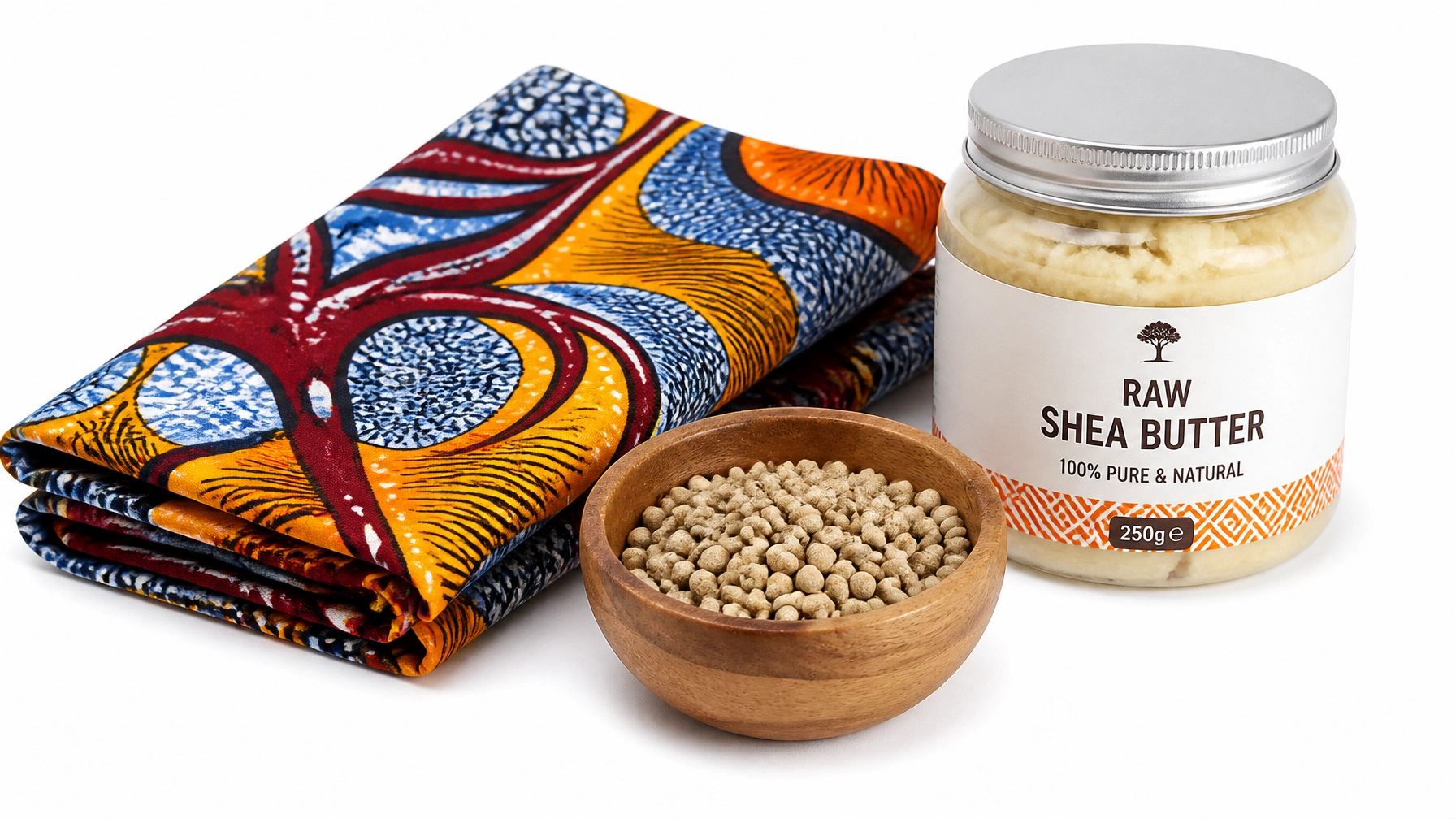
For many Africans living abroad, the search for a piece of home is constant. Whether you are a first-generation immigrant craving the specific heat of Penja pepper or a third-generation diaspora member looking to reconnect with your heritage through traditional textiles, the digital landscape has changed how we access our culture. Finding an African marketplace online is no longer just about convenience; it is about community, trust, and the preservation of our collective identity.
At BaoAfrik, we understand that nostalgia is more than a feeling: it is a physical need for the sights, scents, and tastes that shaped us. As a peer-to-peer marketplace, we bridge the gap by connecting buyers directly with sellers who understand exactly what "authentic" means. If you are navigating the world of online African commerce for the first time, or if you are looking to refine your search, here are 10 essential things you should know.
1. It’s a Marketplace, Not a Shop
The most important distinction to understand when visiting BaoAfrik.com is that we operate as a peer-to-peer marketplace. Unlike a traditional shop that buys inventory and resells it, a marketplace facilitates a direct connection between independent sellers and buyers.
This model is mission-driven. By choosing a marketplace, you are directly supporting African entrepreneurs, artisans, and small-scale farmers. When you purchase a bag of Garri / Gari (Cassava Flakes), you are interacting with a community of sellers who bring these goods from the source to your doorstep. This structure ensures a wider variety of products and keeps the economic benefit within the community.
2. Terminology and Regional Synonyms
Africa is a continent of immense linguistic diversity. When searching for products online, knowing the regional synonyms is crucial for finding exactly what you need. A marketplace that understands its audience will often list items using multiple traditional names.
For example, a search for "Maize Flour" might not yield the same results as searching for Ugali / Nshima / Pap (Maize Meal). At BaoAfrik, we encourage the use of traditional nomenclature paired with standard English translations to ensure accessibility for everyone, from the seasoned home cook to the curious newcomer.
Common Terminologies to Know:
- Ankara / African Wax Print (Kitenge): The vibrant, 100% cotton fabric used for traditional attire.
- Shea Butter / Beurre de Karité (Ori): A natural fat extracted from the nut of the African shea tree.
- Fufu / Pounded Yam (Iyan): A staple starchy side dish common across West and Central Africa.
3. The Central Role of Food & Spices
Food is often the first point of contact for the diaspora. An authentic African marketplace online must prioritize the quality and origin of its culinary offerings. From hard-to-find traditional ingredients to daily seasonings, the Food & Spices category is the heart of the marketplace.

Take, for instance, White Pepper / Poivre Blanc (Penja Pepper). In a professional marketplace, you will find specific details such as the geographic origin: like the Penja Valley in Cameroon: and the weight of the package (e.g., 100g, 250g, or 500g). This utilitarian approach ensures you know exactly what you are receiving. Authentic spices are often handcrafted and sun-dried, preserving the essential oils and potency that store-brand alternatives lack.
4. Authenticity in Fashion & Textiles
When you look for Fashion & Textiles online, you aren't just buying clothes; you are buying a story. Authenticity in this category means finding fabrics that are genuinely produced and sellers who respect the cultural significance of the patterns.

Whether you are looking for Kente (Hand-woven Silk and Cotton) or Mudcloth / Bògòlanfini (Handmade Malian Cotton), a trusted marketplace provides high-resolution imagery and clear descriptions of the fabric’s weight and dimensions. On BaoAfrik, sellers list traditional clothing that serves everyone from those attending a wedding to those looking for contemporary African-inspired fashion for everyday wear.
5. Raw Ingredients in Beauty & Wellness
The African continent is home to some of the world’s most potent natural skincare ingredients. However, the rise of "African-style" beauty products in mainstream shops has led to a dilution of quality. A dedicated marketplace focuses on Beauty & Wellness products that are raw, unrefined, and traditionally processed.

Shea Butter / Beurre de Karité (Ori) should ideally be 100% raw and handcrafted. When browsing, look for descriptions that detail the extraction method: traditionally hand-pressed without harsh chemicals. This commitment to "natural" and "authentic" goods ensures that you receive the full healing and moisturizing benefits of the product.
6. Curated Home & Decor
Your home is a reflection of your heritage. Finding Home & Decor items like African Art / Decorative Sculptures (Masks) or handcrafted furniture allows you to build a living space that celebrates African culture.

In an online marketplace, these items are often one-of-a-kind. Look for listings that emphasize the "handcrafted" nature of the piece and provide specific measurements (e.g., "Hand-carved Ebony Wood Mask, 30cm height"). This transparency helps you visualize how a piece will fit into your space while supporting the master artisans who created it.
7. Direct Community Impact
Every transaction on a peer-to-peer platform like BaoAfrik has a direct impact. By facilitating a marketplace rather than a warehouse, we ensure that sellers: many of whom are part of the diaspora themselves or are based directly in Africa: receive fair compensation for their goods. This creates a sustainable cycle of growth and community support that a standard corporate shop cannot replicate.
8. Safety and Trust in Transactions
Safety is paramount when shopping in an online marketplace. Trust is built through transparency and clear communication.
- Verified Sellers: Look for marketplaces that have a vetting process for their sellers.
- Secure Payments: Ensure the platform uses recognized, secure payment gateways.
- Reviews and Ratings: Pay attention to the community-focused feedback left by other buyers.
At BaoAfrik, we prioritize building a trusted environment where the diaspora can shop with confidence, knowing they are part of a safe and reliable community.
9. Scannable Navigation and Categories
A well-organized marketplace should be easy to navigate. We use a rigid hierarchy of categories to help you find what you need quickly:
- Food & Spices: Grains, seasonings, traditional snacks.
- Fashion & Textiles: Fabrics, ready-to-wear, accessories.
- Beauty & Wellness: Skincare, hair care, oils.
- Home & Decor: Art, textiles, furniture.
- Books & Media: Literature, music, cultural media.
This structured approach allows you to move from searching for Palm Oil / Huile de Palme (Apo) to browsing for African Literature (Novels) in just a few clicks.
10. The Mission of Cultural Preservation
Finally, remember that using an online African marketplace is an act of cultural preservation. By demanding authentic products and supporting traditional methods of production, we ensure that our heritage remains vibrant and accessible for future generations. BaoAfrik isn't just about commerce; it's about making sure that wherever you are in the world, your culture is only a click away.
Whether you are looking for a specific weight of Egusi / Melon Seeds (Agushi) or a handcrafted piece of jewelry, the key is to look for a platform that values authenticity as much as you do.
Looking for African products near you? Visit BaoAfrik.com
Leave a Reply