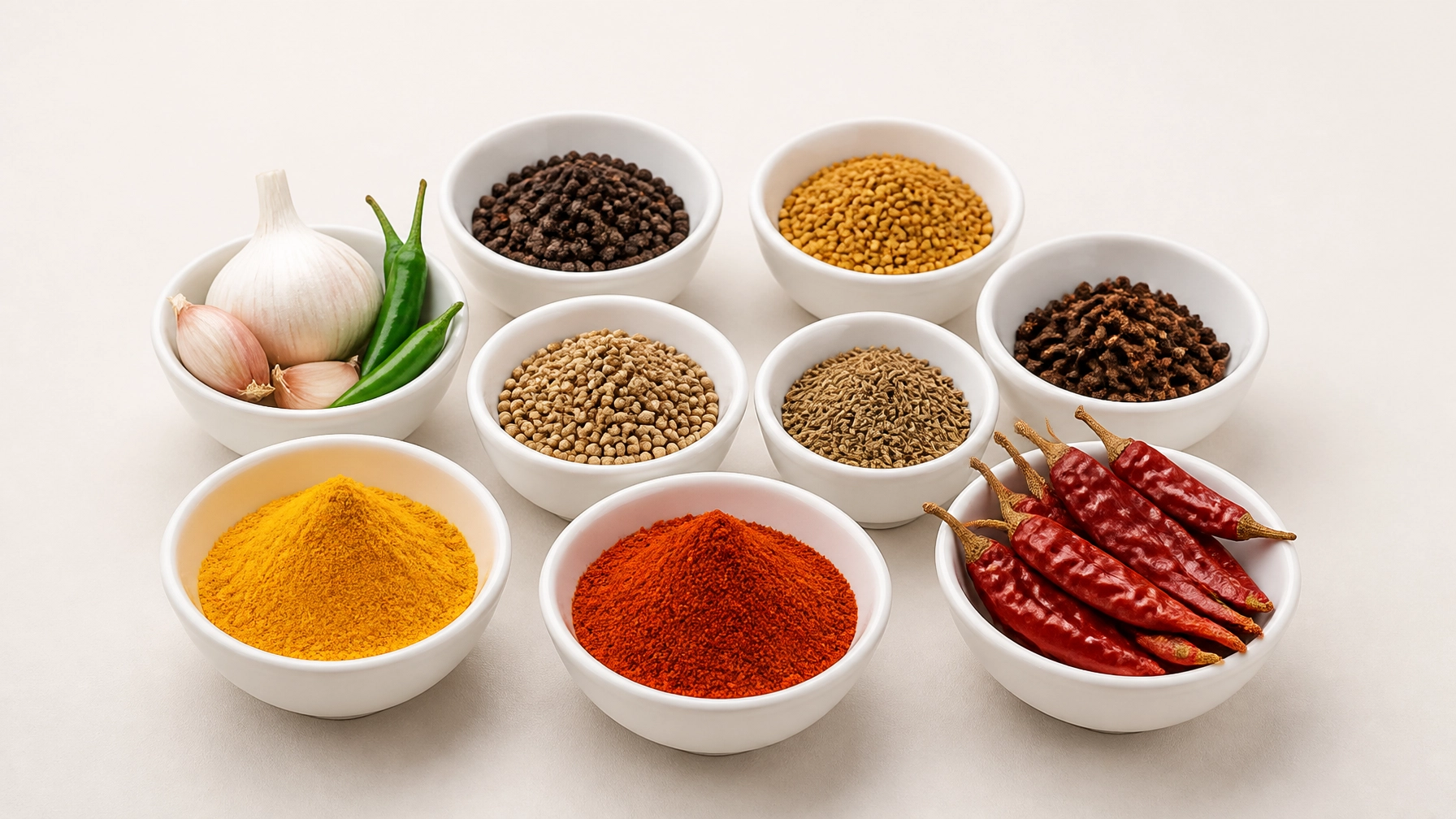
Let’s be honest: your kitchen in London, Paris, or New York might have the latest high-tech stove, but if your Jollof rice tastes like "vague tomato rice," something is missing. You’ve followed the YouTube tutorials, you’ve bought the most expensive Dutch oven, and you’ve even timed the steam perfectly. Yet, it doesn’t quite hit that nostalgic nerve that transports you back to a bustling market in Lagos or a breezy afternoon in Accra.
The truth is, you can’t cook African food with "international" substitutes and expect "authentic" results. Recreating the taste of home isn't about the technique alone; it’s about the chemistry of the ingredients. The "simple trick" isn't a secret recipe: it’s the realization that the foundation of our cuisine isn’t just salt and pepper. It’s the deep, fermented, and sun-dried umami layers that define our heritage.
At BaoAfrik, we aren't a shop; we are a community marketplace where you can find sellers who understand exactly which African seasoning you’re missing. Whether you’re a first-generation immigrant or a third-generation diaspora member looking to connect with your roots, finding the right African groceries starts with knowing what goes into the base of the pot.
The Foundation: The "Secret" Umami Layer
If you want that deep, earthy flavor that lingers on the palate, you need to look beyond the spice rack. In many Western kitchens, "seasoning" means dry powders. In an African kitchen, seasoning starts with fermentation.
Fermented Seasoning (Iru / Dawadawa / Locust Beans)
One of the most powerful tricks to instantly elevate a soup or stew (such as Egusi or Okra soup) is the addition of fermented locust beans. Known as Iru in Yoruba, Dawadawa in Hausa, or Netetou in Wolof, these small, dark beans pack a punch of savory depth that no bouillon cube can fully replicate.
- Weight/Packaging: Usually found in 100g (3.5oz) or 250g (8.8oz) dried or semi-moist packets.
- Origin: Sourced primarily from Nigeria, Ghana, and Senegal.
- Application: Add a small handful (approx. 15g-20g) to the hot oil at the beginning of your base to release the aroma.

Seafood Depth (Dried Crayfish / Ground Shrimp)
Across West and Central Africa, Dried Crayfish (Ground Shrimp / Écrevisses séchées) acts as the "secret salt." It provides a smoky, salty, and slightly sweet undertone to everything from Jollof rice to Efo Riro. If your rice feels "flat," it’s likely because you missed this essential component.
- Weight: Common listings on the marketplace offer 200g (7oz) or 500g (17.6oz) bags.
- Consistency: Available as whole dried tails or finely ground powder.
- Trick: Use 2 tablespoons for every 3 cups of rice to achieve that authentic "market style" flavor profile.
Regional Spice Profiles: Beyond the Basics
To truly recreate the taste of home, you must respect the regional variations of African seasoning. A spice blend from the Horn of Africa is fundamentally different from a blend used in the Maghreb or the South.
East African Heat: Berbere and Mitmita
If you are aiming for the soul-warming heat of Ethiopian or Eritrean cuisine, you need Berbere (Ethiopian Spice Blend). This isn't just "chili powder"; it’s a complex mixture of sun-dried chilies, ginger, garlic, basil, korarima, and rue.
- Identification: Look for a deep brick-red color and a pungent, earthy scent.
- Authenticity Check: Genuine Berbere often contains over 15 different spices.
- The Trick: Toast the Berbere in a dry pan for 30 seconds before adding your fats or liquids to wake up the volatile oils.
The North African Aromatic: Ras el Hanout
Literally translating to "Head of the Shop," Ras el Hanout (Top-Shelf Spice Blend) represents the best a seller has to offer. It’s the backbone of Tagines and Couscous dishes across Morocco, Tunisia, and Algeria.
- Profile: A warm, aromatic blend featuring cardamom, clove, cinnamon, and sometimes dried rose petals.
- Weight: Usually available in 50g (1.7oz) or 100g (3.5oz) tins or bags.
Sourcing Authentic African Groceries via a Peer-to-Peer Marketplace
Finding these items in a standard local supermarket is often impossible. This is where the community comes in. BaoAfrik bridges the gap by connecting buyers directly with sellers who have access to these genuine products.
Why Peer-to-Peer Matters
When you buy from a seller on BaoAfrik, you aren't just getting a product; you’re often getting a piece of home. Sellers like those found in our marketplace are experts in their regional specialties.

Whether you need Ginger Essential Oil (Gingembre Essence / Cameroon) for its traditional wellness properties or a specific batch of Smoked Fish (Poisson Fumé / West Africa), you can browse verified profiles. You can check a Seller's rating and reviews to ensure the quality of the African groceries you are requesting.

The "Request" Feature: Your Personal Shopper
Can’t find that specific, hard-to-reach seasoning from your village? We have a solution for that. Our "Request & Bring" service allows you to post a specific request. If a member of the community is traveling or has access to that specific item, they can connect with you to fulfill your need. This is how we keep the culture alive: through community-focused shopping that celebrates our heritage. You can submit a request here.
Putting it All Together: The Ultimate Jollof Trick
To demonstrate how these seasonings work in tandem, let’s look at the most debated dish on the continent: Jollof Rice. The difference between a "good" Jollof and a "legendary" Jollof lies in the seasoning hierarchy.
- The Sauté: Start with your oil, onions, and Iru/Dawadawa (approx. 10g). Let the beans fry until they become fragrant.
- The Base: Add your blended peppers, ginger, and garlic.
- The Boost: This is where you add 2 tablespoons of Dried Crayfish Powder and your preferred African Seasoning bouillon (like Maggi or Knorr-African variants).
- The Steam: Lock in the flavors. Authentic Jollof isn't boiled; it’s steamed by the concentrated flavors of your base.

Keeping the Culture Alive in the Diaspora
Food is more than just sustenance; it’s a language of love, a memory of home, and a bridge to our ancestors. By choosing authentic African seasoning over generic substitutes, you are preserving the culinary integrity of our continent.
At BaoAfrik, we believe that every African living abroad deserves access to the ingredients that make their house feel like a home. Our mission is to provide a safe, reliable, and community-centric platform where the diaspora can thrive without losing their cultural connection.
Quick Shopping Checklist for Your Diaspora Pantry:
| Item | Regional Names | Common Weight | Use Case |
|---|---|---|---|
| Locust Beans | Iru / Dawadawa / Netetou | 100g – 250g | Stews, Soups, Umami base |
| Dried Crayfish | Ground Shrimp / Écrevisses | 200g – 500g | Rice, Beans, Vegetables |
| Berbere | Ethiopian Spice Mix | 100g | Lentils (Misir Wot), Doro Wat |
| Suya Spice | Yaji / Tankora | 150g | Grilled Meats, Roasted Veggies |
| Pepper Soup Mix | Njangsa / Calabash Nutmeg | 50g | Medicinal/Aromatic Soups |
Don’t settle for "close enough." Find the real deal by connecting with sellers who know exactly what you’re looking for.
Looking for African products near you? Visit BaoAfrik.com
Leave a Reply