Category: Uncategorized

  • The Ultimate Guide to Finding Authentic African Clothing Online: Everything You Need to Succeed

    The Ultimate Guide to Finding Authentic African Clothing Online: Everything You Need to Succeed

    For many of us in the diaspora, clothing is more than just fabric: it is a second skin that connects us to our heritage, our ancestors, and the vibrant streets of home. Whether you are attending a traditional wedding, a community gala, or simply want to carry a piece of your culture into your everyday wardrobe, finding authentic pieces can be a challenge.

    In the digital age, the "African fashion" search result is often flooded with mass-produced, synthetic imitations that lack the soul and quality of genuine textiles. That is why we created BaoAfrik, a community-centric marketplace where buyers connect directly with sellers who understand the weight of tradition. This guide is designed to help you navigate the world of online textiles, ensuring you find the quality you deserve while supporting the artisans who keep our culture alive.

    Understanding the Textiles: Regional Names and Origins

    The first step to a successful search is knowing exactly what you are looking for. Authentic African clothing is rarely categorized under a single "African" label. Instead, it is defined by specific regions, weaving techniques, and cultural significance.

    1. Ankara / African Wax Print / Dutch Wax

    Ankara is perhaps the most recognizable textile across the continent and the diaspora. It is a 100% cotton fabric printed using a wax-resist dyeing technique.

    • Geographic Origin: Popularized and widely produced in West Africa, particularly Nigeria, Ghana, and Ivory Coast.
    • Standard Measurements: Typically sold in 6-yard (approx. 5.5 meters) or 12-yard (approx. 11 meters) bolts.
    • Identification: Look for a "Genuine Wax" or "Super-Wax" stamp on the selvedge (the edge of the fabric). Authentic Ankara feels crisp but softens significantly after the first wash.

    Authentic 6-yard roll of Ankara fabric with vibrant geometric patterns.

    2. Kente / Nwentoma

    Originating from the Ashanti and Ewe people of Ghana and Togo, Kente is a royal and sacred cloth worn during important ceremonies.

    • Geographic Origin: Ghana (Bonwire and Adanwomase are famous hubs).
    • Traditional Construction: Unlike printed fabric, Kente is hand-woven in narrow strips (about 4 inches wide) that are later sewn together to create larger wraps or garments.
    • Identification: Real Kente (Nwentoma) has a visible texture and weight from the silk and cotton threads. If the "Kente" you see online is a flat, printed pattern on thin fabric, it is an imitation, not the hand-woven original.

    Close-up of a hand-woven Kente (Nwentoma) strip showing traditional weaving patterns.

    3. Mudcloth / Bogolan / Bogolanfini

    Bogolanfini translates to "mud cloth" in the Bambara language. It is a Malian textile tradition that uses fermented mud to create intricate, symbolic patterns.

    • Geographic Origin: Mali.
    • Standard Measurements: Often sold as individual handmade strips or "finis" (cloth pieces) that vary in size due to their artisanal nature.
    • Identification: Authentic Mudcloth has a distinct earthy scent and a heavy, textured feel. The patterns are hand-painted, meaning no two pieces are identical.

    Authentic Malian Mudcloth (Bogolanfini) showing hand-dyed earthy patterns on hand-spun cotton.

    The Authenticity Checklist: How to Vet a Seller

    When you are browsing a peer-to-peer marketplace like BaoAfrik, the goal is to find sellers who are deeply rooted in the community. Here is how you can ensure the garment or fabric you are eyeing is the real deal:

    Check the Descriptors

    A seller who understands their craft will use precise, regional terminology. Look for words like Aso-Oke (Yoruba hand-woven cloth), Shweshwe (South African printed cotton), or Dashiki/Kitenge (East and West African silhouettes). If the description is vague: using only terms like "Tribal Print" or "Ethnic Wear": take it as a signal to look closer.

    Transparency in Sourcing

    Authentic clothing has a story. Our community-focused mission at BaoAfrik emphasizes these connections. Reliable sellers can often tell you which market or artisan collective their goods came from. Are the beads from the Krobo region? Is the lace sourced from Lagos? This level of detail is a hallmark of authenticity.

    Material and Weight

    Authenticity has a physical weight. Most traditional African textiles are made from 100% cotton, silk, or hand-spun wool.

    • Cotton (Ankara/Mudcloth): Should feel breathable and sturdy.
    • Silk/Rayon Blends (Kente/Aso-Oke): Should have a slight sheen and significant structural integrity.
    • Avoid: Items listed as "100% Polyester" that claim to be traditional wax prints. While polyester is cheaper, it does not hold the vibrant dyes or offer the comfort of genuine cotton.

    Navigating the Marketplace Experience

    BaoAfrik is not a shop; it is a bridge. It is a space where the diaspora can find the hard-to-get items that remind them of home. To get the best experience, we encourage a high level of interaction between buyers and sellers.

    Use the Chat Feature

    Don't be afraid to ask for more details! Since we operate as a marketplace, you can speak directly with sellers. Ask for a photo of the fabric's selvedge or a close-up of the stitching. This direct communication builds trust and ensures you know exactly what is arriving at your door.

    BaoAfrik's customer chat interface showing buyers and sellers discussing authentic products.

    The "Request & Bring" Service

    Can't find a specific pattern or a particular style of Agbada/Grand Boubou? Our Request feature allows you to tap into the community. You can post a request for a specific item, and sellers or travelers within the network can help source it directly from the continent. This is the ultimate way to find rare, handcrafted items that aren't available on mainstream retail sites.

    Caring for Your Heritage Pieces

    Once you have secured your authentic African clothing, proper care is essential to preserving the colors and fibers.

    1. Hand Wash First: For Ankara and Mudcloth, hand washing in cold water with a mild detergent is recommended for the first few cleans.
    2. Avoid Harsh Chemicals: Bleach is the enemy of traditional dyes. Use natural soaps whenever possible.
    3. Ironing: Most traditional cottons require ironing while slightly damp to maintain their crisp, professional look.
    4. Dry in the Shade: Strong, direct sunlight can fade the vibrant vegetable dyes used in many hand-dyed fabrics like Adire or Bogolan.

    Building a Community-Centric Wardrobe

    Choosing to buy through a marketplace like ours is a mission-driven choice. It means your investment goes directly back into the hands of those who understand the culture. It supports the aunties in the market, the tailors in the city, and the weavers in the village.

    By following this guide, you aren't just buying a dress or a shirt; you are preserving a craft and wearing your history with pride. We invite you to explore our community guidelines to see how we maintain a safe and reliable space for everyone in the diaspora.

    Whether you are looking for a specific yardage of Dutch Wax or a custom-tailored Kaftan, the journey to finding your perfect piece starts with the right community.

    Looking for African products near you? Visit BaoAfrik.com
  • The Simple Trick to Recreate the Taste of Home with Real African Seasoning

    The Simple Trick to Recreate the Taste of Home with Real African Seasoning

    Let’s be honest: your kitchen in London, Paris, or New York might have the latest high-tech stove, but if your Jollof rice tastes like "vague tomato rice," something is missing. You’ve followed the YouTube tutorials, you’ve bought the most expensive Dutch oven, and you’ve even timed the steam perfectly. Yet, it doesn’t quite hit that nostalgic nerve that transports you back to a bustling market in Lagos or a breezy afternoon in Accra.

    The truth is, you can’t cook African food with "international" substitutes and expect "authentic" results. Recreating the taste of home isn't about the technique alone; it’s about the chemistry of the ingredients. The "simple trick" isn't a secret recipe: it’s the realization that the foundation of our cuisine isn’t just salt and pepper. It’s the deep, fermented, and sun-dried umami layers that define our heritage.

    At BaoAfrik, we aren't a shop; we are a community marketplace where you can find sellers who understand exactly which African seasoning you’re missing. Whether you’re a first-generation immigrant or a third-generation diaspora member looking to connect with your roots, finding the right African groceries starts with knowing what goes into the base of the pot.

    The Foundation: The "Secret" Umami Layer

    If you want that deep, earthy flavor that lingers on the palate, you need to look beyond the spice rack. In many Western kitchens, "seasoning" means dry powders. In an African kitchen, seasoning starts with fermentation.

    Fermented Seasoning (Iru / Dawadawa / Locust Beans)

    One of the most powerful tricks to instantly elevate a soup or stew (such as Egusi or Okra soup) is the addition of fermented locust beans. Known as Iru in Yoruba, Dawadawa in Hausa, or Netetou in Wolof, these small, dark beans pack a punch of savory depth that no bouillon cube can fully replicate.

    • Weight/Packaging: Usually found in 100g (3.5oz) or 250g (8.8oz) dried or semi-moist packets.
    • Origin: Sourced primarily from Nigeria, Ghana, and Senegal.
    • Application: Add a small handful (approx. 15g-20g) to the hot oil at the beginning of your base to release the aroma.

    A small wooden bowl of fermented locust beans (Iru / Dawadawa) and a glass jar of ground dried crayfish powder on a plain light grey background

    Seafood Depth (Dried Crayfish / Ground Shrimp)

    Across West and Central Africa, Dried Crayfish (Ground Shrimp / Écrevisses séchées) acts as the "secret salt." It provides a smoky, salty, and slightly sweet undertone to everything from Jollof rice to Efo Riro. If your rice feels "flat," it’s likely because you missed this essential component.

    • Weight: Common listings on the marketplace offer 200g (7oz) or 500g (17.6oz) bags.
    • Consistency: Available as whole dried tails or finely ground powder.
    • Trick: Use 2 tablespoons for every 3 cups of rice to achieve that authentic "market style" flavor profile.

    Regional Spice Profiles: Beyond the Basics

    To truly recreate the taste of home, you must respect the regional variations of African seasoning. A spice blend from the Horn of Africa is fundamentally different from a blend used in the Maghreb or the South.

    East African Heat: Berbere and Mitmita

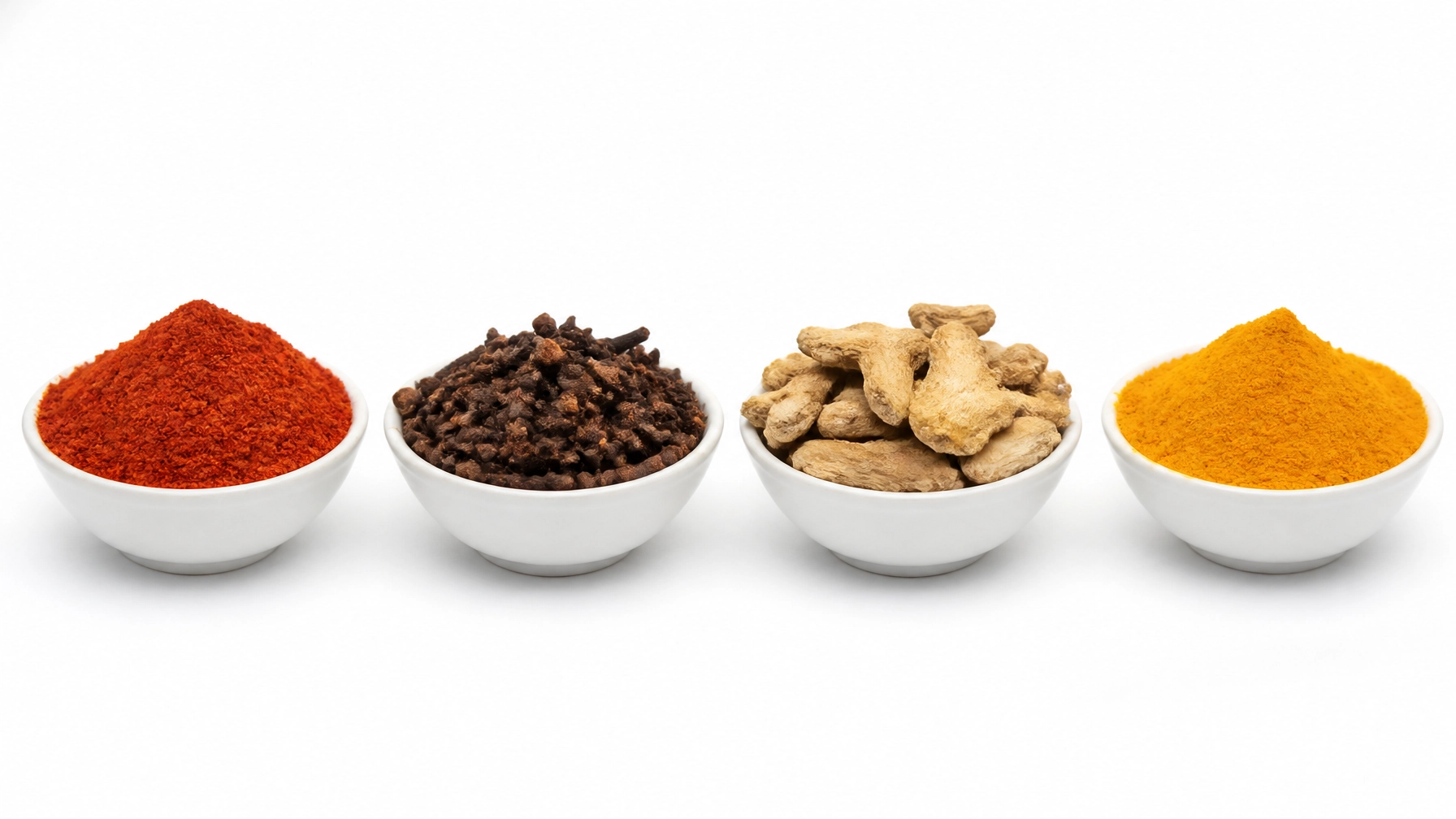
    If you are aiming for the soul-warming heat of Ethiopian or Eritrean cuisine, you need Berbere (Ethiopian Spice Blend). This isn't just "chili powder"; it’s a complex mixture of sun-dried chilies, ginger, garlic, basil, korarima, and rue.

    • Identification: Look for a deep brick-red color and a pungent, earthy scent.
    • Authenticity Check: Genuine Berbere often contains over 15 different spices.
    • The Trick: Toast the Berbere in a dry pan for 30 seconds before adding your fats or liquids to wake up the volatile oils.

    The North African Aromatic: Ras el Hanout

    Literally translating to "Head of the Shop," Ras el Hanout (Top-Shelf Spice Blend) represents the best a seller has to offer. It’s the backbone of Tagines and Couscous dishes across Morocco, Tunisia, and Algeria.

    • Profile: A warm, aromatic blend featuring cardamom, clove, cinnamon, and sometimes dried rose petals.
    • Weight: Usually available in 50g (1.7oz) or 100g (3.5oz) tins or bags.

    Sourcing Authentic African Groceries via a Peer-to-Peer Marketplace

    Finding these items in a standard local supermarket is often impossible. This is where the community comes in. BaoAfrik bridges the gap by connecting buyers directly with sellers who have access to these genuine products.

    Why Peer-to-Peer Matters

    When you buy from a seller on BaoAfrik, you aren't just getting a product; you’re often getting a piece of home. Sellers like those found in our marketplace are experts in their regional specialties.

    Screenshot of BaoAfrik’s mobile marketplace homepage showing authentic African products and seller listings

    Whether you need Ginger Essential Oil (Gingembre Essence / Cameroon) for its traditional wellness properties or a specific batch of Smoked Fish (Poisson Fumé / West Africa), you can browse verified profiles. You can check a Seller's rating and reviews to ensure the quality of the African groceries you are requesting.

    The "Request" Feature: Your Personal Shopper

    Can’t find that specific, hard-to-reach seasoning from your village? We have a solution for that. Our "Request & Bring" service allows you to post a specific request. If a member of the community is traveling or has access to that specific item, they can connect with you to fulfill your need. This is how we keep the culture alive: through community-focused shopping that celebrates our heritage. You can submit a request here.

    Putting it All Together: The Ultimate Jollof Trick

    To demonstrate how these seasonings work in tandem, let’s look at the most debated dish on the continent: Jollof Rice. The difference between a "good" Jollof and a "legendary" Jollof lies in the seasoning hierarchy.

    1. The Sauté: Start with your oil, onions, and Iru/Dawadawa (approx. 10g). Let the beans fry until they become fragrant.
    2. The Base: Add your blended peppers, ginger, and garlic.
    3. The Boost: This is where you add 2 tablespoons of Dried Crayfish Powder and your preferred African Seasoning bouillon (like Maggi or Knorr-African variants).
    4. The Steam: Lock in the flavors. Authentic Jollof isn't boiled; it’s steamed by the concentrated flavors of your base.

    A white ceramic bowl of authentic Jollof rice on a solid vibrant yellow background

    Keeping the Culture Alive in the Diaspora

    Food is more than just sustenance; it’s a language of love, a memory of home, and a bridge to our ancestors. By choosing authentic African seasoning over generic substitutes, you are preserving the culinary integrity of our continent.

    At BaoAfrik, we believe that every African living abroad deserves access to the ingredients that make their house feel like a home. Our mission is to provide a safe, reliable, and community-centric platform where the diaspora can thrive without losing their cultural connection.

    Quick Shopping Checklist for Your Diaspora Pantry:

    Item Regional Names Common Weight Use Case
    Locust Beans Iru / Dawadawa / Netetou 100g – 250g Stews, Soups, Umami base
    Dried Crayfish Ground Shrimp / Écrevisses 200g – 500g Rice, Beans, Vegetables
    Berbere Ethiopian Spice Mix 100g Lentils (Misir Wot), Doro Wat
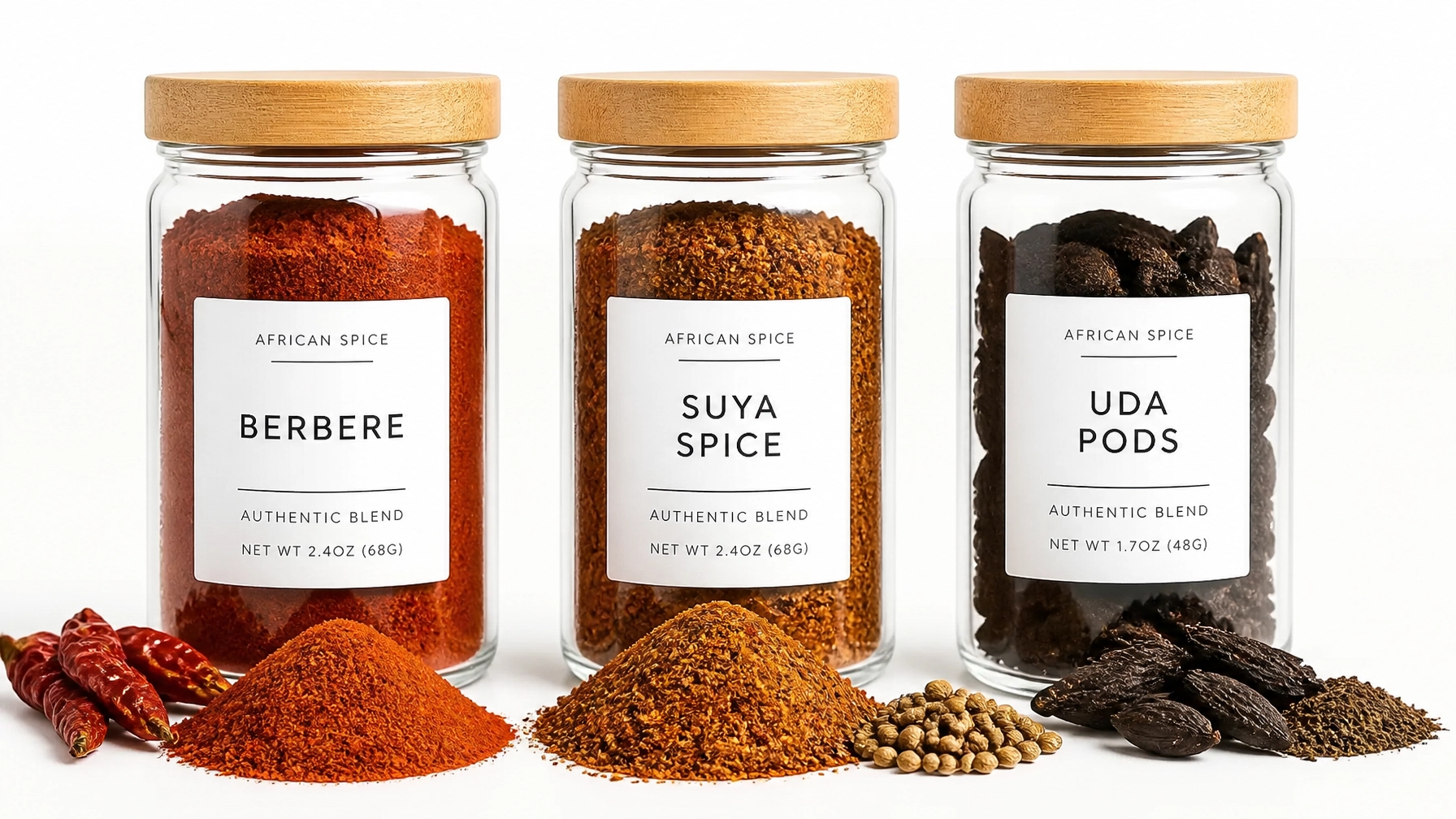
    Suya Spice Yaji / Tankora 150g Grilled Meats, Roasted Veggies
    Pepper Soup Mix Njangsa / Calabash Nutmeg 50g Medicinal/Aromatic Soups

    Don’t settle for "close enough." Find the real deal by connecting with sellers who know exactly what you’re looking for.

    Looking for African products near you? Visit BaoAfrik.com
  • How to Build an Authentic African Pantry Abroad: The 7 Essential Spices to Buy Online

    How to Build an Authentic African Pantry Abroad: The 7 Essential Spices to Buy Online

    There is a specific kind of magic that happens in the kitchen when the aroma of home begins to fill the air. For many Africans living in the diaspora, that scent is a bridge: a sensory connection to the bustling markets of Lagos, the vibrant streets of Addis Ababa, or the serene landscapes of Yaoundé. However, recreating those childhood flavors in a kitchen in London, New York, or Paris can often feel like a challenge when the local grocery store lacks the depth and soul of traditional ingredients.

    At BaoAfrik, we understand that "authentic" isn't just a label; it’s a standard of quality and a preservation of heritage. We operate as a community-driven, peer-to-peer marketplace designed to bridge this gap. By connecting buyers directly with sellers who source genuine goods from the continent, we help the diaspora reclaim their culinary roots. Building an authentic African pantry abroad starts with the foundation of any great dish: the spices.

    Whether you are a first-generation immigrant looking for the exact taste of your grandmother’s soup or a second-generation explorer reconnecting with your culture, these seven essential spices are the building blocks of a true African kitchen.


    1. Suya Spice / Yaji / Kuli-Kuli / Tsire (Nutty Chili Rub)

    Ground Suya spice in a white ceramic bowl against a yellow background

    Origin: Northern Nigeria / West Africa
    Common Measurements: 100g, 250g, 500g pouches
    Description: A complex, nutty, and spicy dry rub.

    Suya Spice, most commonly known as Yaji or Tsire among the Hausa people, is perhaps the most iconic seasoning of West African street food. Its base is made from Kuli-Kuli (processed, defatted groundnut cake), which provides a unique, savory depth that cannot be replicated with standard peanut butter.

    When looking for Suya spice on the BaoAfrik marketplace, prioritize listings that specify the inclusion of ginger, cayenne pepper, and Uda. The texture should be slightly coarse, ranging in color from deep orange to a burnt red. It is traditionally used as a dry rub for skewered meats, but it is equally effective as a seasoning for roasted vegetables or a spicy kick for popcorn.


    2. Grains of Selim / Uda / Whentia / Xylopia aethiopica (Musky Peppercorn Pods)

    Dried Grains of Selim pods on a light grey background

    Origin: West Africa (Ghana, Nigeria, Senegal)
    Common Measurements: 50g, 100g whole dried pods
    Description: Long, dark, wrinkled pods with a smoky, musky, and slightly bitter flavor profile.

    Known as Uda in Nigeria and Whentia in Ghana, these pods are a vital component of traditional soups like Pepper Soup and Palm Nut Soup. Unlike standard black pepper, Grains of Selim offer an aromatic complexity that includes notes of nutmeg and smoke.

    In a utilitarian pantry, these are often kept whole and added to liquids to infuse flavor before being removed, much like a bay leaf. Sellers on our platform often provide these in hand-selected batches to ensure the pods are robust and aromatic. When buying African spices online, ensure the pods are dark and dry, indicating proper preservation of the essential oils within the seeds.


    3. Berbere / በርበሬ (Ethiopian/Eritrean Chili Blend)

    Vibrant red Berbere spice powder on a plain white background

    Origin: Ethiopia / Eritrea
    Common Measurements: 200g, 400g jars
    Description: A fiery, multi-layered spice blend containing chili peppers, garlic, ginger, basil, and fenugreek.

    Berbere is the soul of Ethiopian and Eritrean cuisine. It is the primary seasoning for Doro Wat (chicken stew) and various legume-based dishes. This blend is a masterclass in balance, offering heat from the chilies alongside the warmth of cardamom and the earthiness of fenugreek.

    Because Berbere is a blend, the recipe can vary slightly between regions and families. On BaoAfrik, you can find sellers offering handcrafted batches that maintain the traditional ratios used in East African households. A high-quality Berbere will have a vibrant, deep red color and a pungent, inviting aroma that hits you the moment you open the container.


    4. Fermented Locust Beans / Iru / Dawadawa / Ogiri / Soumbala (Umami Seasoning)

    Origin: West Africa (Nigeria, Ghana, Burkina Faso, Mali)
    Common Measurements: 100g (Dried or Paste)
    Description: Alkaline-fermented beans of the African locust tree; intensely savory with a "funky" umami aroma.

    If you are looking to achieve the deep, savory "base" flavor of traditional West African stews, Iru (Yoruba) or Dawadawa (Hausa/Ghanaian) is non-negotiable. Often compared to miso or blue cheese in its intensity, these fermented beans provide an incredible depth of flavor that salt alone cannot provide.

    In the diaspora, many prefer the dried version of Iru for its longer shelf life and milder scent during storage. When browsing the marketplace, you will find variations such as Iru Woro (whole beans) or Iru Pete (mashed/paste). Each serves a specific purpose in dishes like Efo Riro or Okra Soup.


    5. Harissa / هريسة (North African Chili Paste)

    Origin: Tunisia / Maghreb region
    Common Measurements: 150g, 300g jars or tubes
    Description: A hot chili pepper paste combined with roasted red peppers, Baklouti peppers, serrano peppers, and other hot chili peppers, spices, and herbs like garlic paste, caraway seeds, coriander seeds, cumin, and olive oil.

    Harissa is a staple of North African pantries, used both as a cooking ingredient and a tabletop condiment. It brings a smoky, garlicky heat to couscous, tagines, and grilled meats.

    While mass-produced versions exist in western supermarkets, they often lack the punch and oil-rich texture of authentic Tunisian Harissa. The peer-to-peer nature of BaoAfrik allows you to find sellers who offer traditionally prepared pastes that emphasize the smokiness of the peppers rather than just the vinegar-heavy profile found in commercial brands.


    6. Akpi / Njangsang / Njangsa / Ricinodendron heudelotii (Nutty Thickener)

    Origin: Central and West-Central Africa (Cameroon, Ivory Coast)
    Common Measurements: 100g, 200g whole seeds
    Description: Round, blonde-colored oily seeds with a strong, nutty, and slightly fishy aroma.

    Akpi (Ivory Coast) or Njangsa (Cameroon) is an essential ingredient for thickening sauces and adding a rich, nutty flavor to dishes like Mbongo Tchobi or Poisson Braisé. These seeds are usually ground before use to release their oils.

    For the diaspora community, finding fresh Njangsa is a sign of a well-stocked pantry. Our marketplace connects you with sellers who understand the importance of seed freshness, ensuring that the natural oils: which carry all the flavor: remain intact until they reach your kitchen.


    7. Uziza / Piper guineense / Masoro / Esoro Wisa (West African Black Pepper)

    Origin: West and Central Africa
    Common Measurements: 50g, 100g dried seeds or leaves
    Description: A peppery, aromatic spice related to black pepper but with a more floral, citrusy, and pungent finish.

    Uziza is unique because both its seeds and its leaves are used in African cooking. The seeds (Uziza seeds) are often used in Pepper Soup alongside Uda to provide a lingering, warm heat that is distinct from the immediate burn of Scotch Bonnet peppers.

    When purchasing Uziza online, clarify whether you are buying the dried seeds or the dried leaves, as they provide different textures to a dish. The seeds are traditionally ground, while the leaves are often added whole or shredded into soups like Afia Efere.


    Navigating the BaoAfrik Marketplace for Authentic Spices

    Building your pantry through a marketplace is different from shopping at a standard grocery store. Because BaoAfrik is a peer-to-peer platform, you are engaging directly with individuals and small businesses who are passionate about African heritage.

    How to Find the Best Sellers:

    • Check the Origin: Look for listings that specify the geographic origin of the spice (e.g., "Cameroon Njangsa" or "Ethiopian Berbere").
    • Review Seller Profiles: Visit the seller profiles to see their ratings and reviews from other community members.
    • Utilize the Community: If you can't find a specific regional variant, use our request feature to let sellers know what you are looking for.

    Why Buy African Spices Online via BaoAfrik?

    Standard supermarkets often carry "African-style" blends that are diluted with fillers or lack the specific regional ingredients required for true authenticity. By using our platform, you are supporting a mission-driven ecosystem that prioritizes the cultural connection between the continent and the diaspora. You aren't just buying ingredients; you are supporting a community that values the same traditions you do.

    Ready to start your journey? Register today and begin exploring the diverse world of African flavors. Whether you are stocking up on Yaji for a weekend barbecue or searching for the perfect Iru for your Sunday stew, the marketplace is here to bring the taste of home to your doorstep.

    Building an authentic pantry is more than just a culinary project; it is an act of cultural preservation. Every jar of spice represents a piece of history, a regional identity, and a memory of home. We invite you to join our growing community and help us bridge the gap between Africa and the world, one spice at a time.

    Looking for African products near you? Visit BaoAfrik.com

  • The Ultimate Guide to African Fashion Online: Everything You Need to Stand Out at Your Next Event

    The Ultimate Guide to African Fashion Online: Everything You Need to Stand Out at Your Next Event

    For many of us living in the diaspora, fashion is more than just clothing; it is a powerful thread that connects us to our roots, our families, and our shared history. Whether you are preparing for a wedding, a naming ceremony, or a community gala, wearing traditional attire is a way to carry the spirit of home with you. At BaoAfrik, we understand that finding authentic, high-quality African fashion can be a challenge when you are miles away from the bustling markets of Lagos, Accra, or Nairobi.

    Our mission is to bridge this gap by providing a community-focused peer-to-peer marketplace where buyers can connect directly with sellers who offer genuine African textiles and garments. By fostering these direct connections, we help you find the unique, handcrafted pieces that make you stand out while celebrating the rich heritage of the continent.

    The Versatility of Wax Prints: Ankara / Kitenge / Chitenge

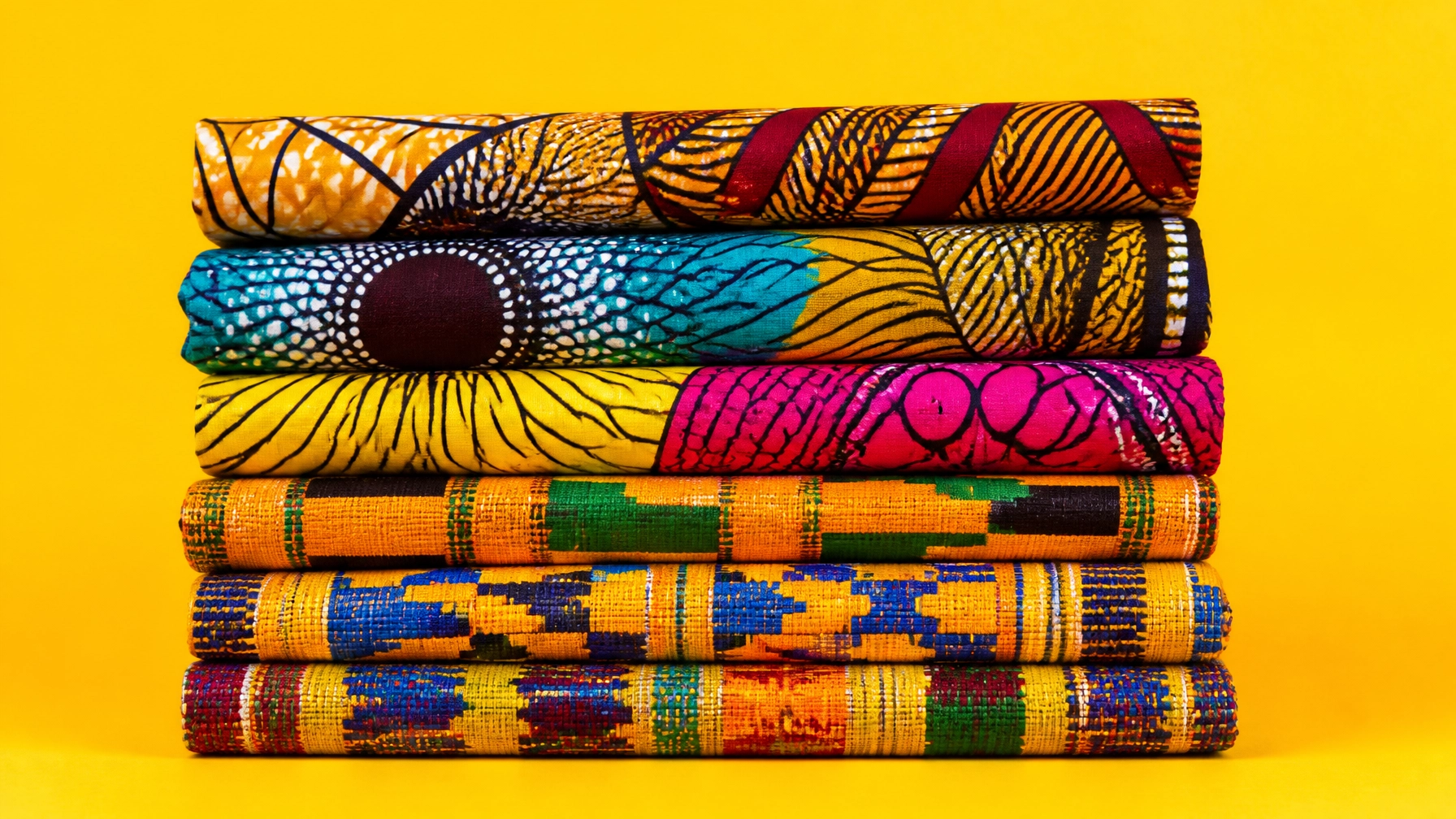
    The most recognizable element of African fashion is undoubtedly the vibrant, patterned cotton fabric known as Ankara (West Africa), Kitenge (East Africa), or Chitenge (Central and Southern Africa). These fabrics are celebrated for their bold colors and intricate symbolic designs, making them a staple for both everyday wear and high-profile events.

    A neatly folded piece of premium Ankara wax print fabric with a blue and yellow geometric pattern.

    Understanding the Material

    Authentic Ankara is a 100% cotton fabric produced using a wax-resist dyeing technique. This process ensures that the colors remain vibrant even after multiple washes. In the marketplace, you will often find these sold in standard measurements:

    • Full Bolt: 12 yards (approx. 11 meters)
    • Half Bolt: 6 yards (approx. 5.5 meters)
    • Standard Weight: 120-150 grams per square meter (GSM)

    How to Style for Events

    • Women: For weddings, Ankara is often used for "Aso Ebi": the practice of family and friends wearing matching fabrics. Popular styles include mermaid-cut gowns, peplum blouses paired with wrappers, or modern jumpsuits.
    • Men: While traditionally used for casual shirts, Ankara is increasingly used for semi-formal blazers or as decorative accents on solid-colored tunics.

    When looking for these fabrics, it is helpful to search for regional variations. For instance, if you are looking for the lighter, often more floral-patterned wraps popular in East Africa, search for Kanga / Leso.

    Royal Heritage: Kente / Handwoven Strip Cloth

    Originating from the Akan people of Ghana, specifically the Ashanti and Ewe kingdoms, Kente (Ghana) is a textile steeped in royalty and prestige. Unlike printed fabrics, Kente is handwoven in long, narrow strips that are later sewn together to create a larger cloth.

    Authentic handwoven Kente cloth from Ghana featuring red, yellow, and black geometric patterns.

    The Art of the Weave

    Each pattern and color in a Kente cloth carries a specific meaning. For example, gold represents royalty and wealth, while green signifies spiritual growth and renewal. Because it is hand-produced on a loom, authentic Kente has a distinct weight and texture that sets it apart from machine-printed imitations.

    • Material: Silk and cotton blend
    • Origin: Bonwire (Ashanti Region) or Agotime-Kpetoe (Volta Region), Ghana
    • Typical Dimensions: Men’s wraps are often 8 to 10 feet long.

    Stand Out at Your Next Event

    Kente is the ultimate choice for graduations, traditional weddings, and state functions.

    • The Toga Style: Men wear a large piece of Kente wrapped over one shoulder, leaving the other bare: a look that commands respect and denotes status.
    • Kaba and Slit: Women often wear a tailored Kente top (Kaba) and a matching long skirt (Slit) for a formal, elegant silhouette.

    The Grand Entrance: Agbada / Boubou / Grand Robe

    If you want to make a statement at a formal gathering, nothing compares to the majestic Agbada (Nigeria – Yoruba). Also known as a Boubou (Francophone West Africa) or a Grand Robe, this three-piece ensemble is the pinnacle of West African masculine formalwear.

    A traditional navy blue Agbada robe with intricate white embroidery.

    Components of the Set

    A complete Agbada set typically consists of:

    1. Awosoke: The large, flowing outer robe with wide sleeves.
    2. Bùbá: The long-sleeved tunic worn underneath.
    3. Sòkòtò: Matching drawstring trousers that narrow at the ankle.

    Most authentic Agbadas are crafted from high-quality Brocade, Damask, or the prestigious handwoven Aso Oke. The embroidery around the neckline is often the focal point, featuring traditional motifs handcrafted by skilled artisans.

    • Weight: A full heavy-set Agbada can weigh between 2kg to 4kg depending on the fabric and density of the embroidery.

    The Crowning Glory: Gele / Headwraps / Head-ties

    No traditional outfit for a woman is complete without a striking headwrap. The Gele (West Africa) is more than an accessory; it is a sculptural masterpiece that frames the face and signifies the importance of the occasion.

    A pre-tied gold Gele headwrap made from shimmering Aso Oke fabric.

    Types and Textiles

    • Aso Oke Gele: Made from traditional handwoven fabric, these are stiff and hold their shape well, perfect for creating elaborate, towering styles.
    • Sego Gele: A lighter, often metallic fabric that is easier to tie and provides a shimmering finish.
    • Pre-tied Gele: For those who find the art of tying a Gele challenging, the BaoAfrik marketplace features many sellers offering "auto-geles": pre-structured wraps that you simply Velcro or clip into place.

    Whether you call it a Gele (Nigeria), Duku (Ghana), or Dhuku (Zimbabwe), the headwrap remains a universal symbol of African feminine grace and pride.

    Essential Accessories: Beads, Jewelry, and Beyond

    To truly stand out, your attire must be paired with authentic accessories. Regional jewelry styles offer a wealth of options to complement your garment.

    Traditional Jewelry Highlights

    • Coral Beads (Ileke): Central to Edo and Yoruba weddings in Nigeria, these represent royalty and power.
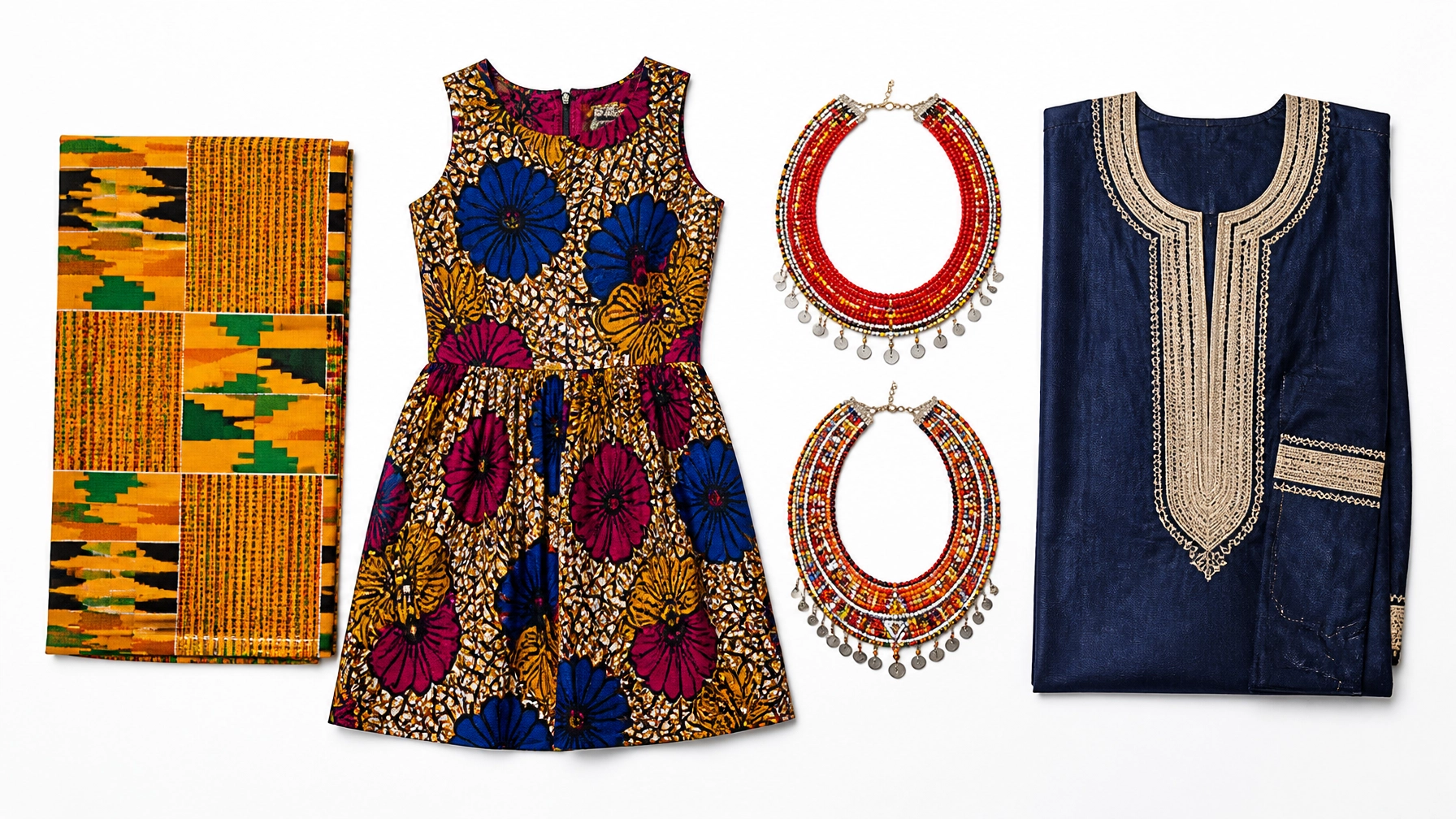
    • Maasai Beadwork (Kenya/Tanzania): Known for vibrant, multi-colored necklaces (Osim) and bracelets that use intricate patterns to tell stories of the wearer’s life stage.
    • Gold Jewelry (Ghana/Ivory Coast): Often used to complement Kente, featuring "Adinkra" symbols that convey philosophical messages.

    Navigating the BaoAfrik Marketplace for Fashion

    Finding the perfect outfit shouldn't be a chore. Because BaoAfrik is a peer-to-peer marketplace, you are not just buying from a store; you are engaging with a community of sellers who understand the cultural nuances of these products.

    How to Use the Marketplace

    • Browse Categories: Use our structured navigation to head straight to Fashion & Textiles.
    • Request an Item: Can't find a specific pattern or a particular regional dress like the Habesha Kemis (Ethiopia/Eritrea) or the Gomesi (Uganda)? You can post a public request on the platform. Our community of sellers and travelers often sources hard-to-find traditional items directly from the continent.
    • Connect with Sellers: Use the chat feature to ask about specific measurements, the origin of the fabric, or the weight of the garment to ensure it meets your standards for authenticity.

    Why Choose Community-Sourced Fashion?

    By utilizing a peer-to-peer platform, you support small-scale artisans and sellers within the diaspora. This direct connection ensures that the "traditional," "authentic," and "handcrafted" labels on our listings are backed by the people who know these products best.

    Whether you are looking for a six-yard piece of Super Wax or a custom-embroidered Kaftan, the BaoAfrik marketplace is designed to help you find exactly what you need to celebrate your heritage with pride.

    Looking for African products near you? Visit BaoAfrik.com

  • Looking For an African Marketplace Online? Here Are 10 Things You Should Know

    Looking For an African Marketplace Online? Here Are 10 Things You Should Know

    For many Africans living abroad, the search for a piece of home is constant. Whether you are a first-generation immigrant craving the specific heat of Penja pepper or a third-generation diaspora member looking to reconnect with your heritage through traditional textiles, the digital landscape has changed how we access our culture. Finding an African marketplace online is no longer just about convenience; it is about community, trust, and the preservation of our collective identity.

    At BaoAfrik, we understand that nostalgia is more than a feeling: it is a physical need for the sights, scents, and tastes that shaped us. As a peer-to-peer marketplace, we bridge the gap by connecting buyers directly with sellers who understand exactly what "authentic" means. If you are navigating the world of online African commerce for the first time, or if you are looking to refine your search, here are 10 essential things you should know.

    1. It’s a Marketplace, Not a Shop

    The most important distinction to understand when visiting BaoAfrik.com is that we operate as a peer-to-peer marketplace. Unlike a traditional shop that buys inventory and resells it, a marketplace facilitates a direct connection between independent sellers and buyers.

    This model is mission-driven. By choosing a marketplace, you are directly supporting African entrepreneurs, artisans, and small-scale farmers. When you purchase a bag of Garri / Gari (Cassava Flakes), you are interacting with a community of sellers who bring these goods from the source to your doorstep. This structure ensures a wider variety of products and keeps the economic benefit within the community.

    2. Terminology and Regional Synonyms

    Africa is a continent of immense linguistic diversity. When searching for products online, knowing the regional synonyms is crucial for finding exactly what you need. A marketplace that understands its audience will often list items using multiple traditional names.

    For example, a search for "Maize Flour" might not yield the same results as searching for Ugali / Nshima / Pap (Maize Meal). At BaoAfrik, we encourage the use of traditional nomenclature paired with standard English translations to ensure accessibility for everyone, from the seasoned home cook to the curious newcomer.

    Common Terminologies to Know:

    • Ankara / African Wax Print (Kitenge): The vibrant, 100% cotton fabric used for traditional attire.
    • Shea Butter / Beurre de Karité (Ori): A natural fat extracted from the nut of the African shea tree.
    • Fufu / Pounded Yam (Iyan): A staple starchy side dish common across West and Central Africa.

    3. The Central Role of Food & Spices

    Food is often the first point of contact for the diaspora. An authentic African marketplace online must prioritize the quality and origin of its culinary offerings. From hard-to-find traditional ingredients to daily seasonings, the Food & Spices category is the heart of the marketplace.

    Traditional African White Pepper / Poivre Blanc (Penja Pepper) in a minimalist ceramic bowl on an orange background.

    Take, for instance, White Pepper / Poivre Blanc (Penja Pepper). In a professional marketplace, you will find specific details such as the geographic origin: like the Penja Valley in Cameroon: and the weight of the package (e.g., 100g, 250g, or 500g). This utilitarian approach ensures you know exactly what you are receiving. Authentic spices are often handcrafted and sun-dried, preserving the essential oils and potency that store-brand alternatives lack.

    4. Authenticity in Fashion & Textiles

    When you look for Fashion & Textiles online, you aren't just buying clothes; you are buying a story. Authenticity in this category means finding fabrics that are genuinely produced and sellers who respect the cultural significance of the patterns.

    Vibrant, neatly folded Ankara / African Wax Print (Kitenge) fabric showing intricate geometric patterns.

    Whether you are looking for Kente (Hand-woven Silk and Cotton) or Mudcloth / Bògòlanfini (Handmade Malian Cotton), a trusted marketplace provides high-resolution imagery and clear descriptions of the fabric’s weight and dimensions. On BaoAfrik, sellers list traditional clothing that serves everyone from those attending a wedding to those looking for contemporary African-inspired fashion for everyday wear.

    5. Raw Ingredients in Beauty & Wellness

    The African continent is home to some of the world’s most potent natural skincare ingredients. However, the rise of "African-style" beauty products in mainstream shops has led to a dilution of quality. A dedicated marketplace focuses on Beauty & Wellness products that are raw, unrefined, and traditionally processed.

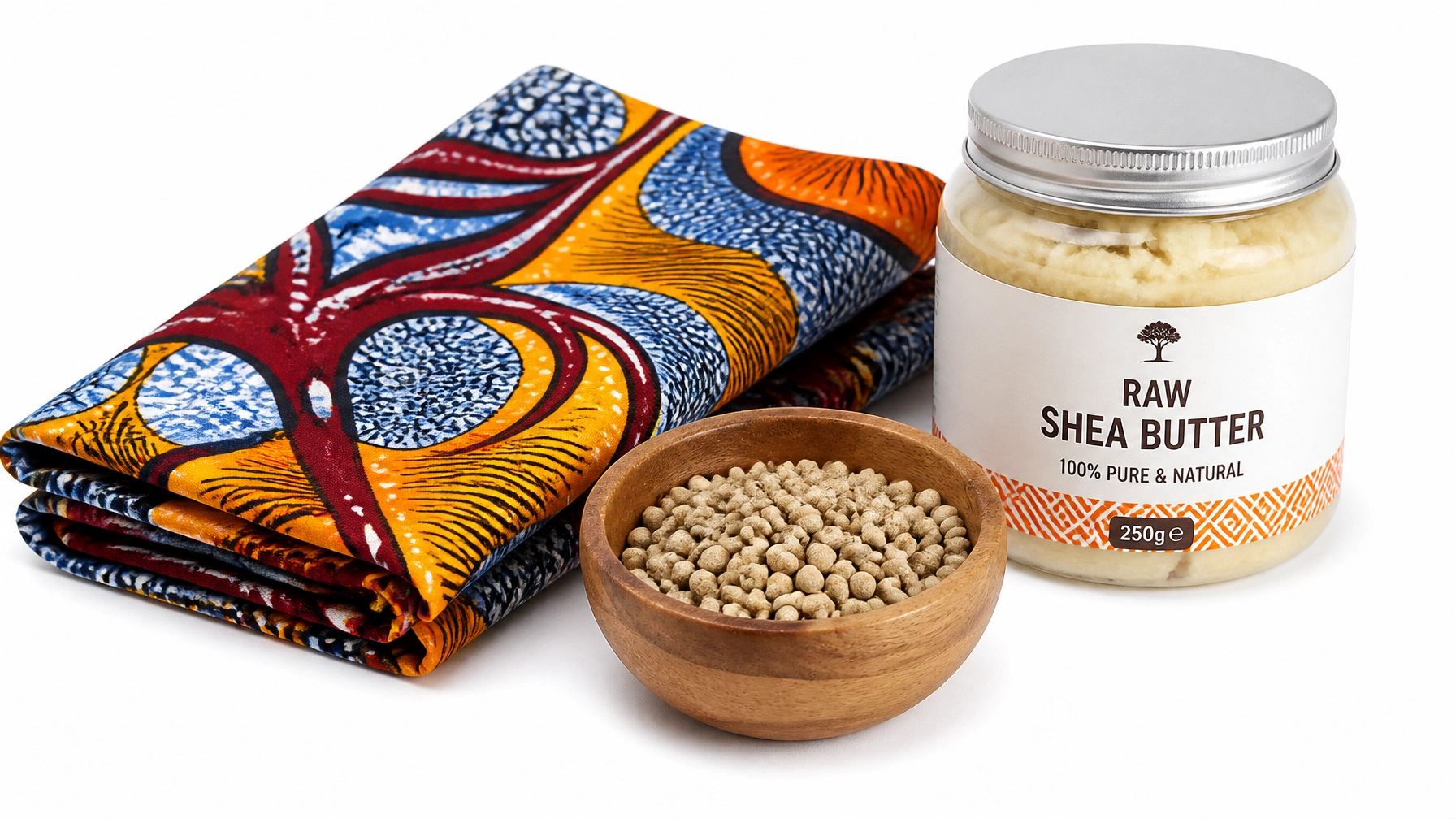
    Natural Raw Shea Butter / Beurre de Karité (Ori) in a clear glass jar on a white background.

    Shea Butter / Beurre de Karité (Ori) should ideally be 100% raw and handcrafted. When browsing, look for descriptions that detail the extraction method: traditionally hand-pressed without harsh chemicals. This commitment to "natural" and "authentic" goods ensures that you receive the full healing and moisturizing benefits of the product.

    6. Curated Home & Decor

    Your home is a reflection of your heritage. Finding Home & Decor items like African Art / Decorative Sculptures (Masks) or handcrafted furniture allows you to build a living space that celebrates African culture.

    A traditional African Handcrafted Mask / Wood Carving displayed against a plain white background.

    In an online marketplace, these items are often one-of-a-kind. Look for listings that emphasize the "handcrafted" nature of the piece and provide specific measurements (e.g., "Hand-carved Ebony Wood Mask, 30cm height"). This transparency helps you visualize how a piece will fit into your space while supporting the master artisans who created it.

    7. Direct Community Impact

    Every transaction on a peer-to-peer platform like BaoAfrik has a direct impact. By facilitating a marketplace rather than a warehouse, we ensure that sellers: many of whom are part of the diaspora themselves or are based directly in Africa: receive fair compensation for their goods. This creates a sustainable cycle of growth and community support that a standard corporate shop cannot replicate.

    8. Safety and Trust in Transactions

    Safety is paramount when shopping in an online marketplace. Trust is built through transparency and clear communication.

    • Verified Sellers: Look for marketplaces that have a vetting process for their sellers.
    • Secure Payments: Ensure the platform uses recognized, secure payment gateways.
    • Reviews and Ratings: Pay attention to the community-focused feedback left by other buyers.

    At BaoAfrik, we prioritize building a trusted environment where the diaspora can shop with confidence, knowing they are part of a safe and reliable community.

    9. Scannable Navigation and Categories

    A well-organized marketplace should be easy to navigate. We use a rigid hierarchy of categories to help you find what you need quickly:

    • Food & Spices: Grains, seasonings, traditional snacks.
    • Fashion & Textiles: Fabrics, ready-to-wear, accessories.
    • Beauty & Wellness: Skincare, hair care, oils.
    • Home & Decor: Art, textiles, furniture.
    • Books & Media: Literature, music, cultural media.

    This structured approach allows you to move from searching for Palm Oil / Huile de Palme (Apo) to browsing for African Literature (Novels) in just a few clicks.

    10. The Mission of Cultural Preservation

    Finally, remember that using an online African marketplace is an act of cultural preservation. By demanding authentic products and supporting traditional methods of production, we ensure that our heritage remains vibrant and accessible for future generations. BaoAfrik isn't just about commerce; it's about making sure that wherever you are in the world, your culture is only a click away.

    Whether you are looking for a specific weight of Egusi / Melon Seeds (Agushi) or a handcrafted piece of jewelry, the key is to look for a platform that values authenticity as much as you do.

    Looking for African products near you? Visit BaoAfrik.com

  • Turn Your Extra Suitcase Space into Cash: A Guide for Travelers

    Traveling between Africa and the rest of the world is more than just a journey; it is a vital bridge for our community. For many of us in the diaspora, the smell of authentic spices or the feel of handwoven fabric is a powerful reminder of home. However, getting these items across borders can be expensive and complicated.

    At BaoAfrik, we are building a peer-to-peer African marketplace online that turns this challenge into an opportunity. If you have a flight booked and some extra space in your luggage, you can help a fellow community member get the authentic products they miss while earning money to offset your travel costs.

    In this guide, we will show you how to monetize your unused baggage allowance by becoming a "Bringer" on our community-centric platform.

    The Mission: Bringing "Home" Closer to the Diaspora

    Many Africans living abroad struggle to find high-quality, genuine products from their home regions. Local supermarkets often carry generic versions that lack the potency of traditional ingredients or the craftsmanship of authentic textiles.

    BaoAfrik is not a shop; we are a mission-driven marketplace that connects buyers directly with travelers. When you bring a package of Garri / Leba (Fermented Cassava Flakes) or a few yards of Ankara / African Wax Print, you aren’t just delivering a product, you are delivering a piece of heritage.

    By utilizing our platform, you help reduce the carbon footprint of traditional shipping while putting money back into the pockets of travelers and local African sellers.

    How the BaoAfrik P2P Marketplace Works

    Our platform is designed for ease and safety. Whether you are a frequent flyer or a one-time traveler, the process of turning your suitcase space into cash is straightforward.

    1. List Your Trip: Sign up and tell the community where you are traveling from and where you are landing.
    2. Browse Requests: See what items community members in your destination city are looking for.
    3. Chat & Confirm: Use our secure messaging system to discuss the details, weights, and pickup locations.
    4. Travel & Deliver: Bring the items in your suitcase and meet the buyer at a safe, agreed-upon location.
    5. Get Paid: Once the delivery is confirmed, the funds are released to you.

    Ready to get started? You can register as a seller today and list your upcoming travel dates.

    What to Carry: High-Demand Categories

    To maximize your earnings, it helps to know which items the diaspora is searching for. We have categorized these into clear groups to help you organize your suitcase space efficiently.

    1. Foods & Spices

    Food is the most requested category on our marketplace. These items are often light but carry immense cultural value.

    • Crayfish / Inanga (Dried Ground Crustaceans): Typically requested in 500g to 1kg bags. Ensure these are vacuum-sealed to prevent odors.
    • Ogbono / Apon (Wild Mango Seeds): These are lightweight and highly sought after for traditional soups.
    • Palm Oil / Mafuta ya Mawese (Unrefined Red Palm Oil): Only carry if packaged in leak-proof, factory-sealed containers.
    • Egusi / Agushi (Melon Seeds): Usually requested in 1kg increments, either whole or pre-ground.

    Authentic African Spices

    2. Fashion & Textiles

    If you are looking for authentic African clothing online, BaoAfrik is the place to be. As a traveler, you can bring high-value textiles that take up very little space.

    • Ankara / African Wax Print: Standard 6-yard bundles are the norm. They are flat, easy to pack, and very durable.
    • Kente (Handwoven Silk and Cotton Fabric): Authentic Kente from Ghana is a premium item. A single stole or a 3-piece set is a high-value delivery.
    • Aso-Oke (Handloomed Fabric): Popular for weddings and ceremonies, these items are often requested by those planning events abroad.

    3. Beauty & Wellness

    Natural African beauty secrets are in high demand globally for their purity and effectiveness.

    • Ose Dudu / Alata Samina (African Black Soap): Often requested in raw blocks or liquid form.
    • Shea Butter / Karité (Raw Unrefined Butyrospermum Parkii): A staple for skincare and haircare. Usually requested in 500g or 1kg tubs.

    Managing Your Space: Weight and Measurements

    As a traveler, your primary constraint is weight. We recommend using a digital luggage scale to ensure you remain within your airline's limits. Here is a quick reference for common item weights:

    Item Category Typical Item Weight (Approx.)
    Food 1 Bag of Garri 1.0 kg – 2.0 kg
    Food 1 Pouch of Ground Crayfish 0.5 kg
    Fashion 6 Yards of Ankara Fabric 1.2 kg
    Beauty 1 Tub of Raw Shea Butter 0.5 kg
    Decor Small Hand-carved Mask 0.8 kg

    Safety, Trust, and Community Guidelines

    Trust is the foundation of BaoAfrik. To ensure a smooth experience for both you and the buyer, we have established clear Safety & Trust guidelines.

    • Transparency: Always inspect the items you are carrying. We recommend that buyers provide items in their original, unsealed packaging so you can verify the contents before packing.
    • Communication: Keep the buyer updated on your flight status. If there is a delay, use the BaoAfrik chat to let them know.
    • Customs Regulations: It is your responsibility to be aware of the customs regulations in your destination country. Most processed and dried foods are perfectly legal, but always check for restrictions on fresh produce or meat.

    For more detailed information on what you can and cannot carry, please visit our Help Centre.

    BaoAfrik Vendor Dashboard

    Why Join the BaoAfrik "Bringer" Community?

    Beyond the financial rewards, being a Bringer on BaoAfrik is about strengthening the bonds within the African diaspora.

    • Offset Travel Costs: A few successful deliveries can easily cover the cost of an extra suitcase or even a significant portion of your flight ticket.
    • Support Local Creators: By bringing goods from local markets or artisans in Africa, you are helping small businesses back home reach a global audience.
    • Foster Connections: Our marketplace is built on conversation. You might meet a new friend or professional contact during a delivery handover.

    We encourage all our users to follow our Community Guidelines to maintain the welcoming and respectful atmosphere that BaoAfrik is known for.

    Steps to Your First Delivery

    If you have a trip coming up, follow these simple steps to start earning:

    1. Profile Setup: Complete your profile on the BaoAfrik platform. A complete profile with a photo builds trust with buyers.
    2. Post Your Itinerary: Include your departure city, arrival city, and the dates you will be available for handovers.
    3. Set Your Fee: You can suggest a delivery fee based on the weight and value of the item.
    4. Confirm Handovers: Use the platform to arrange a meeting at a public place, such as a local café or near a transit hub, for the final delivery.

    Community Connection

    Conclusion

    Your next trip home doesn't have to be just an expense. It can be a way to earn extra cash, support your community, and keep African culture thriving abroad. By utilizing your extra suitcase space, you become an essential link in the global African marketplace.

    Whether it’s a bag of authentic spices or a beautiful Ankara dress, what you carry matters. Join us in making the world a little smaller and our community a lot stronger.

    Looking for African products near you? Visit BaoAfrik.com

  • How to Find Authentic African Products Near You: The Ultimate Guide for the Diaspora

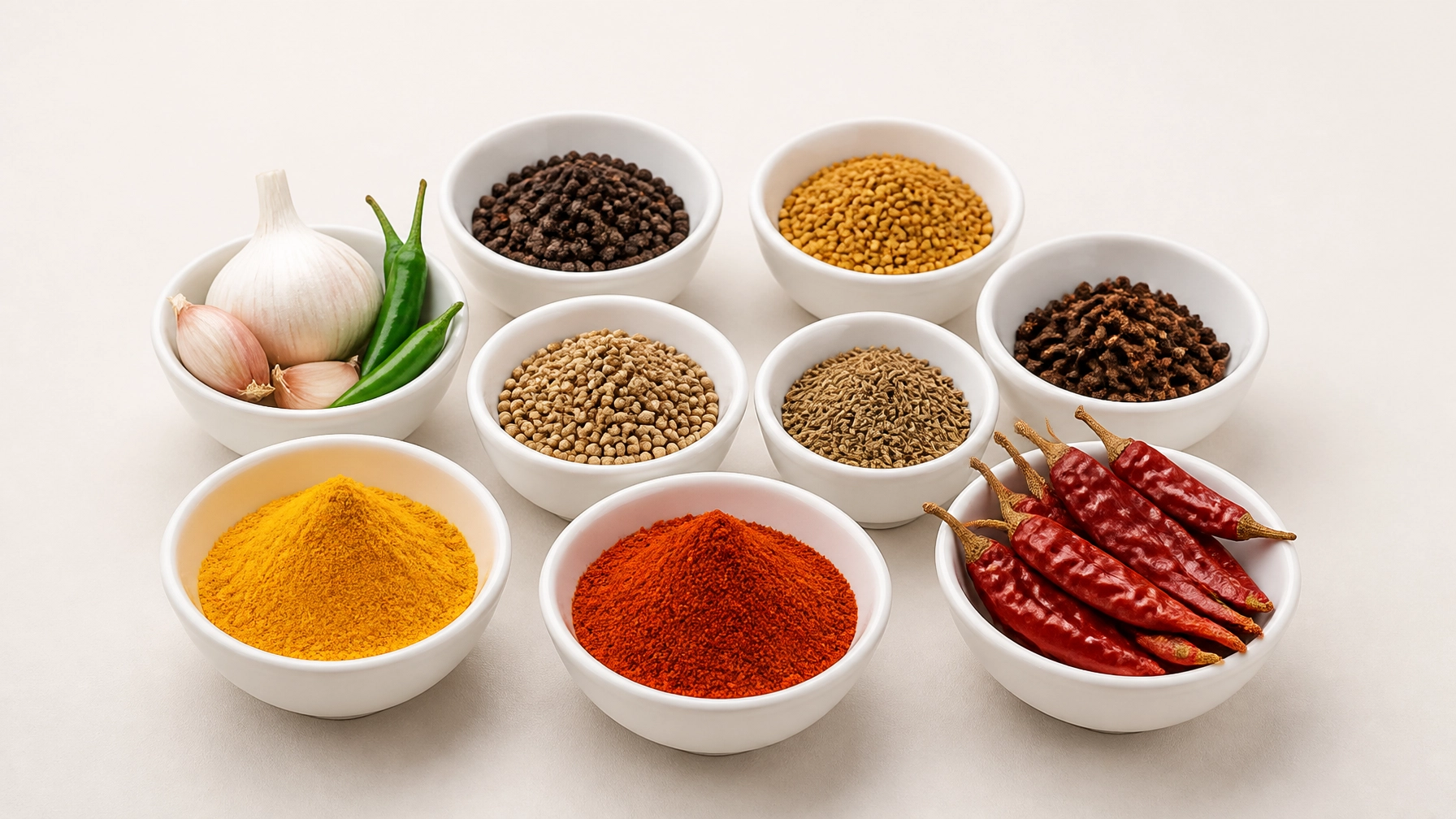
    Authentic African products like spices, palm oil, and traditional fabrics arranged neatly on a clean white background, high-resolution product photography

    For many of us living in the diaspora, the search for a piece of home is constant. Whether you are in Birmingham, London, Houston, or Paris, there is a specific kind of longing that only the smell of authentic African food/cuisine or the vibrant touch of real Ankara/Wax print fabric can satisfy.

    However, finding these items isn't always easy. You might spend hours driving to a specialty "ethnic" store only to find that the Egusi (Melon seeds) isn't fresh, or the Iru (Fermented locust beans/Dawa Dawa) lacks that pungent, authentic depth you remember from your grandmother’s kitchen.

    This is where the power of community comes in. At BaoAfrik, we’ve built more than just an African marketplace online; we’ve created a community-powered bridge for the diaspora. Think of BaoAfrik as a Facebook Marketplace for African products: a welcoming space where Africans abroad can buy and sell directly with each other, discover authentic items locally, and reconnect with the tastes, traditions, and crafts that feel like home. We have also officially launched in the UK, making it even easier for our community across Britain to find and share authentic African products nearby.

    The Challenge: Why "Authentic" is Hard to Find

    Finding authentic African products abroad usually comes with a few major hurdles:

    1. Geography: You live in a city where the nearest African shop is three bus rides away.
    2. Quality Control: Commercial imports often lose their "soul" or freshness during long shipping and warehousing cycles.
    3. Specific Needs: You don't just need "African seasoning"; you need a specific 40g pack of Dominion Gravic Foods Pepper Soup African Seasoning Mix from Nigeria.

    By moving away from large-scale corporate retail and focusing on a community-driven, peer-to-peer model, we bring the market to your doorstep, literally. In simple terms, BaoAfrik works much like a dedicated Facebook Marketplace for the African diaspora: people list items, chat directly, and arrange the details themselves.

    How BaoAfrik Connects You Locally

    A variety of packaged traditional African food items like bitter leaf and pepper soup seasoning against a neutral backdrop

    BaoAfrik is designed to help you find what you need by looking at who is around you. Think of it as your digital town square, or even better, a Facebook Marketplace built specifically for African products and the African diaspora. Here is how our platform facilitates those "hard-to-find" connections:

    1. Search by Location

    Whether you are looking for African food online or traditional home decor, you can filter results by your specific city or neighborhood. If someone in your area has extra Bitter Leaf (Veronia amygdalina) or is selling handcrafted Calabash gourds, you’ll see it immediately. This reduces the need for long-distance shipping and supports the micro-entrepreneurs in your own community.

    2. Direct Chat: Talk to the Seller

    Authenticity often requires a conversation. On BaoAfrik, you can chat directly with buyers and sellers. Not sure if the Garri (Cassava flakes) is the sour yellow kind or the white kind? Just ask. Need to know the exact weight of a piece of Kente fabric? Send a message. This direct line of communication builds trust and keeps the experience personal, community-based, and clear before any deal is made.

    3. A Peer-to-Peer Experience

    We are a marketplace that empowers individuals. Just like a community classifieds or Facebook Marketplace-style experience, BaoAfrik lets users buy and sell directly with each other. BaoAfrik does not handle payments or delivery. We provide the platform for you to find each other and chat, but the transaction and fulfilment are arranged between buyer and seller. This means:

    • Flexible Payments: You and the seller decide how to handle the transaction (cash on pickup, bank transfer, etc.).
    • Local Pickup/Delivery: You can arrange to meet at a safe public spot or have the item dropped off, bypassing the high costs and delays of traditional couriers.

    Essential Items You Can Find Near You

    Our community members list products across several key categories. Here is a look at what makes our marketplace the go-to for the diaspora:

    Traditional Food & Spices

    The heart of the home is the kitchen. Our sellers often list items that are difficult for large supermarkets to stock reliably.

    • Bitter Kola (Garcinia kola): Often sold in small batches, perfect for traditional medicinal use or as a snack.
    • Palm Oil (Huile de Palme): Look for locally sourced bottles like Menyanga, known for its rich color and vitamin content.
    • African Seasonings: From Ogiri to specialized pepper soup mixes, these are the secret ingredients to making your stew taste "correct."

    A transparent bottle of natural African palm oil and a pack of seasoning mix on a clean, professional background

    Fashion & Textiles

    From Ankara to Aso Oke, our fashion category is where heritage meets modern style. Because these items are often sold by individuals who have traveled back home or have direct ties to weavers, the authenticity is guaranteed.

    Beauty & Wellness

    Looking for raw Shea Butter (Ori/Karité) or Black Soap (Dudu Osun)? Our community-driven model ensures you are buying from people who use these products themselves, often sourcing them from traditional cooperatives in Africa.

    Tips for a Successful Local Exchange

    Since BaoAfrik is a community-driven platform where users handle their own transactions, we recommend following these simple steps to ensure a great experience:

    1. Check Descriptions Carefully: Look for specific details like "500g bag," "100% Natural," or "Produced in Nigeria." Clear descriptors are a sign of a quality listing.
    2. Use the Chat Feature: Don't be shy. Ask for more photos of the African products or verify the expiry dates of food items.
    3. Meet Safely: If you are meeting a local seller for a pickup, choose a well-lit, public location like a coffee shop or a busy station.
    4. Read the Guidelines: Familiarize yourself with our Community Guidelines to understand how we maintain a respectful and safe marketplace.

    Why Peer-to-Peer Matters

    When you buy a bag of Ground Cocoyam (Ede) powder from a neighbor on BaoAfrik, you aren't just buying an ingredient. You are supporting a fellow member of the diaspora. You are keeping cultural traditions alive. And most importantly, you are getting the real deal: the kind of quality that can't be mass-produced for a supermarket shelf.

    Three authentic dried African calabash gourds showing natural textures and patterns, high-resolution photography on a white background

    Join the BaoAfrik Community

    The "hard-to-find" items are only hard to find because the right people haven't been connected yet. Whether you are a buyer looking for a taste of home or a seller with authentic goods to share, BaoAfrik is your home. And now that BaoAfrik has officially launched in the UK, it is an even better time for our community to start listing, browsing, chatting, and trading authentic African products locally.

    Your culture isn't miles away: it’s right around the corner. Let’s bring the market home together.

  • Traveling Back from Africa? How to Earn Extra by Bringing a Little Piece of Home

    Traveling back from home with authentic goods

    For many Africans living abroad, the journey back home is more than just a vacation: it is a mission to reconnect with roots, family, and flavors. We all know the scene at the airport: oversized suitcases packed to the brim, secured with extra tape, and filled with the treasures that are so hard to find in local supermarkets. Whether it is a specific blend of regional spices or the exact texture of a traditional textile, these items represent a tangible link to heritage.

    At BaoAfrik, we understand that the diaspora often misses the authentic products that defined their upbringing. Simultaneously, we know that travelers often have a little extra space in their luggage and a desire to make their trip more sustainable: or even profitable.

    That is why we introduced the Request & Bring feature. This peer-to-peer marketplace model turns every traveler into a bridge and every empty corner of a suitcase into a solution for a neighbor in the UK.

    The "Home Gap": Why Authenticity Matters

    Living in cities like London, Manchester, or Birmingham, you can find many international products. However, any seasoned cook will tell you that not all "African food" is created equal. The standard, mass-produced versions found in large retail chains often lack the depth of flavor, the specific grind, or the organic quality of goods sourced directly from local markets in Lagos, Accra, Nairobi, or Douala.

    This "Home Gap" is what BaoAfrik aims to bridge. Instead of waiting for a family member to visit once a year, our community uses the BaoAfrik Requests platform to find travelers who are already making the trip. It is a community-centric way to solve a logistical problem while helping travelers earn extra income to cover their flight costs or local expenses.

    How It Works: The Traveler’s Guide to Earning

    Becoming a "BaoAfrik Bringer" is simple. If you are planning a trip from any African country back to the UK, you can use your luggage space to help others and earn money.

    1. Browse the Requests: Before you leave, visit the Requests page on our marketplace. Look for items that users in your destination city (e.g., London) are looking for.
    2. Offer to Bring: If you see a request for an item you can easily source and carry, send a message to the buyer. Agree on the price for the item and your "delivery fee."
    3. Secure the Product: Purchase the authentic item: be it spices, fabrics, or dried goods: ensuring it meets the buyer’s specific requirements.
    4. Meet Locally: Once you land in the UK, arrange a safe meeting point to hand over the item and receive your payment.

    By facilitating these peer-to-peer connections, BaoAfrik ensures that the money stays within the community, supporting both the traveler and the local sellers back home.

    Most Requested Items: What You Should Look Out For

    If you are wondering what to pack, here are some of the most sought-after products on the BaoAfrik marketplace. These items are consistently in demand due to their unique qualities and the difficulty of finding authentic versions abroad.

    1. Igede / Plantains (Cooking Bananas)

    Fresh Plantains

    • Description: Firm, starch-rich fruit from the Musaceae family.
    • Common Use: Fried (Dodo), boiled, or roasted (Boli).
    • Measurement: Typically requested in bunches of 5–10 kg.
    • Why it’s requested: While available in the UK, many diaspora members seek specific varieties like the "Agbagba" or "Horn" plantains from West Africa, which have a superior sugar-to-starch ratio when ripe.

    2. Yaji / Suya Spice (Peanut-Based Spice Rub)

    Traditional African Spices

    • Description: A complex, dry aromatic blend consisting of ground peanuts (kuli-kuli), ginger, cayenne pepper, and bouillon.
    • Origin: Northern Nigeria / Hausa regions.
    • Weight: Usually requested in 250g or 500g sealed pouches.
    • Why it’s requested: The authentic "smoke" and heat of street-style Suya spice are difficult to replicate with store-bought alternatives. Requesters often ask for specific blends from trusted local vendors in cities like Kano or Lagos.

    3. Ankara / African Wax Print (100% Cotton Textile)

    Ankara Fabric

    • Description: High-quality, industrially produced cotton cloth with vibrant, wax-resist patterns.
    • Dimensions: Standard requests are for "6 yards" (approx. 5.5 meters).
    • Why it’s requested: While many prints are sold online, nothing beats the feel and durability of authentic wax prints sourced directly from markets like Makola in Ghana. Buyers often request specific limited-edition patterns for weddings or traditional ceremonies.

    4. Okporoko / Stockfish (Dried Cod)

    Stockfish Okporoko

    • Description: Air-dried whitefish, typically cod, processed without salt.
    • Origin: Often imported to Africa from Norway but cured and sold with specific regional preferences in mind.
    • Weight: 1kg to 5kg bags of "cutups" or whole heads.
    • Why it’s requested: The smell and texture of stockfish are essential for authentic soups like Egusi or Ogbono. Many users request "prime cuts" that are difficult to find in standard UK international aisles.

    Safety, Trust, and the Peer-to-Peer Model

    Because BaoAfrik is a marketplace that connects individuals, safety and trust are our top priorities. We do not sell or deliver these products ourselves; instead, we provide the platform for you to find each other.

    To ensure a smooth experience, we recommend all users:

    • Communicate Clearly: Use our messaging system to confirm weights, brands, and prices.
    • Check Guidelines: Review our Safety & Trust page for tips on meeting in public places and verifying products.
    • Follow Regulations: Travelers must ensure that any items they bring comply with UK customs regulations regarding food and agriculture. Generally, processed, dried, and packaged items are safer to transport than fresh, unprocessed meats or plants.

    Join the BaoAfrik Community

    Whether you are a traveler looking to offset your ticket costs or someone in the UK longing for a taste of home, the Request & Bring feature is here to serve you.

    BaoAfrik is more than just a marketplace; it is a community-driven ecosystem. By connecting buyers and sellers directly, we are preserving cultural heritage and making the world feel a little bit smaller, one suitcase at a time.

    Ready to see what your neighbors are looking for? Or perhaps you want to post your own request for that specific spice blend you’ve been dreaming of?

    Looking for African products near you? Visit BaoAfrik.com

  • Where to Buy Authentic African Food in the UK (Without the Long Drive)

    Authentic African Pantry Staples

    For many of us in the African diaspora living in the UK, the weekend routine often involves a familiar, albeit exhausting, ritual. It starts with a mental checklist of the ingredients missing from the pantry: a tuber of sweet Puna Yam, a fresh bag of Egusi, or perhaps that specific brand of Shito that reminds you of Saturday mornings back home. Then comes the "long drive."

    Whether you are living in a quiet suburb of Leicester, a coastal town in Kent, or the outskirts of Manchester, finding authentic African food often means trekking to a concentrated "hub": usually a specific high street miles away where the air smells of roasting plantain and the shops are packed tight. While the vibrant atmosphere of these markets is nostalgic, the three-hour round trip through UK traffic is not.

    The struggle is real: you shouldn't have to choose between your cultural heritage and your weekend's peace of mind. That is where the community-driven approach of a peer-to-peer marketplace changes the game.

    The "Grocery Desert" for African Diaspora

    The UK is home to a vibrant African community, yet the mainstream retail infrastructure has been slow to catch up. Most major supermarkets carry "world food" aisles that barely scratch the surface of our culinary diversity. You might find a generic "curry powder," but you won't find authentic Suya Spice / Yaji (Traditional Northern Nigerian spice blend) or Prekese / Soup Perfume (Tetrapleura tetraptera).

    This creates what many call a "grocery desert." When you live outside of major metropolitan hubs like London (Peckham or Dalston) or Birmingham (Handsworth), accessing traditional ingredients becomes a logistical hurdle.

    • The Travel Cost: Fuel and parking in the UK are expensive.
    • The Time Sink: A simple grocery run can take up half your Saturday.
    • The Risk of Out-of-Stock: There is nothing more frustrating than driving 40 miles only to find the seller is out of the Hard Chicken / Old Layer (Tough boiling fowl) you needed for your stew.

    Bridging the Gap: What is BaoAfrik?

    BaoAfrik is not a traditional shop. We don’t own warehouses, and we don’t sell products directly. Instead, we are a peer-to-peer (P2P) marketplace designed to bridge the geographic gap between you and the flavors of home.

    Think of us as a community bridge. We connect buyers: people like you looking for authentic tastes: with local sellers who already have these products nearby. By empowering individuals and small local businesses to list their inventory on a trusted platform, we make it possible to find what you need without the cross-country trek.

    Traditional African Spices Collection

    Essential Marketplace Categories: Food & Spices

    To help you navigate the marketplace, we’ve organized listings into clear, utilitarian categories. Whether you are looking for specific seasonings or bulk staples, understanding the traditional nomenclature helps ensure you find exactly what you’re looking for.

    1. Traditional Seasonings & Flavor Bases

    The foundation of African cuisine lies in its complex spice profiles. On the BaoAfrik marketplace, sellers often list traditional blends that are handcrafted and free from the preservatives found in mainstream alternatives.

    • Shito / Black Pepper Sauce (Ghanian spicy condiment): Typically sold in 200g–500g glass jars. Look for deep, dark infusions containing ginger, dried fish, and crustaceans.
    • Ogiri / Fermented Oil Seeds (Traditional Igbo seasoning): Usually wrapped in leaves or small plastic containers (approx. 50g–100g). Essential for authentic Onugbu or Egusi soup.
    • Iru / Dawadawa (Fermented Locust Beans): Available in "fresh" (moist) or "dried" forms. Originating from West Africa, these add a pungent, umami depth to stews.

    2. Soup Ingredients & Dried Goods

    Maintaining a stocked pantry of dried goods is the secret to quick, authentic meals. Sellers on the marketplace often offer these in standardized weights for transparency.

    • Egusi / Melon Seeds (Mann's cucumeropsis): Sold as whole seeds or pre-ground. Standard listings are often 500g or 1kg bags.
    • Crayfish / Dried Shrimp (Ground or whole): A staple for nearly every West African soup. Look for sellers offering "extra-clean" varieties to avoid grit.
    • Stockfish / Okporoko (Dried Cod): Sourced from the North Atlantic but essential to Nigerian cuisine. Available in "cut-ups" or whole heads/fillets.

    Raw Ogbono Seeds Pack

    The Tuber Struggle: Yam and Plantain Locally

    One of the biggest reasons for the "long drive" is the weight of our staples. Carrying a 5kg Yam / Puna Yam (Dioscorea) or a bunch of Plantain / Cooking Banana (Musa paradisiaca) on public transport is a nightmare, and shipping them via standard couriers can be prohibitively expensive due to their weight.

    By using a local marketplace like BaoAfrik, you can find sellers within your own city or even your own neighborhood.

    • Freshness Guarantee: Because you are connecting with local sellers, the tubers haven't spent days in a delivery van.
    • Local Pickup: Many buyers prefer to arrange a local pickup, saving on the high "per-kilogram" shipping rates often charged by distant online shops.

    African Yam Tubers

    How It Works: The Power of Community

    The beauty of a peer-to-peer model is its flexibility. We’ve built features that go beyond a simple "add to cart" experience, focusing instead on solving the unique problems of the diaspora.

    The "Request & Bring" Feature

    Can’t find a specific item listed near you? Our Requests feature allows you to post exactly what you need. Whether it’s a specific brand of biscuits from Kenya or a particular herbal tea from Cameroon, you can signal the community. Often, a traveler or a local seller will see your request and fulfill it for you. This "Request & Bring" model turns every community member into a potential bridge to home.

    Safety and Trust

    We understand that buying from individuals requires trust. That’s why we’ve implemented a robust Safety & Trust framework.

    • Verified Sellers: Look for the verification badge on seller profiles.
    • Secure Communication: Use our platform to message sellers, ask about the origin of the products, or request more photos.
    • Community Reviews: Read feedback from other buyers in the UK to ensure you are getting the quality you expect.

    BaoAfrik Marketplace Mobile App

    Why Choose Local Sellers Over Big Retailers?

    When you connect with a seller on BaoAfrik, you aren't just buying food; you are supporting a micro-economy within the diaspora.

    1. Authenticity: Individual sellers often source their products through personal networks back home, ensuring the Gari / Cassava Flakes is fermented just right, or the Palm Oil is unadulterated and rich in color.
    2. Cultural Knowledge: Our sellers know the difference between "Green Plantain" (unripe) and "Yellow Plantain" (ripe). They understand the ingredients needed for a specific regional dish.
    3. Sustainability: Buying locally reduces the carbon footprint associated with long-distance shipping and helps build a resilient food network for Africans in the UK.

    Join the Community

    If you’ve been feeling the "nostalgia itch" but can't face another long drive to the city center, it’s time to look closer to home. There are likely sellers in your very own community who have exactly what you need sitting on their shelves.

    On the flip side, if you find yourself always overstocking on your trips home or you have a reliable source for authentic goods, why not register as a seller? You can help a neighbor avoid that long drive while earning extra income.

    The gap between the UK and home is only as wide as we allow it to be. By connecting with each other, we bring the flavors, the smells, and the culture of Africa right to our doorsteps.

    Visit baoafrik.com to find sellers near you.

    Looking for African products near you? Visit BaoAfrik.com
  • Shea Butter 101: How to Spot the Real Deal vs. The Fakes

    Raw Unrefined Shea Butter in a traditional bowl

    For many Africans living abroad, the scent of raw Shea Butter / Ori / Karité is the scent of home. It is the smell of a grandmother’s hands, the remedy for dry winter skin in London or New York, and a multi-generational secret for glowing skin and healthy hair. Known traditionally as "Women’s Gold," shea butter is a cornerstone of African skincare products.

    However, as the global demand for this miracle fat has surged, the market has become flooded with "fakes": highly processed, chemically refined, or diluted versions that lack the healing properties of the traditional product. At BaoAfrik, we act as a bridge between the diaspora and authentic sellers who offer genuine, handcrafted shea butter directly from the source. To help you navigate the marketplace, here is a utilitarian guide to identifying authentic, raw shea butter.

    1. Traditional Nomenclature and Geographic Origins

    Understanding what you are looking for starts with the name and the source. Shea butter is extracted from the nuts of the Vitellaria paradoxa tree (West African) or the Vitellaria nilotica tree (East African).

    • West African Shea (Vitellaria paradoxa): Traditionally called Ori (Yoruba), Okuma (Igbo), or Karité (French-speaking regions). It is typically firmer at room temperature and is the most common variety found in the marketplace.
    • East African Shea (Vitellaria nilotica): Often referred to as "Nilotica," this variety is rarer, softer, and has a higher olein content, making it liquid-gold for intense moisturization.

    When browsing the BaoAfrik marketplace, look for sellers who specify the geographic origin: such as Northern Ghana, Nigeria, or Uganda: and provide the traditional names. Authenticity starts with transparency about the product's roots.

    2. The Visual Test: Color and Appearance

    The most common misconception is that "real" shea butter must be pure white. In reality, pure white is often a sign of heavy refining and bleaching.

    Color comparison of unrefined vs refined shea butter

    Unrefined Shea (The Real Deal)

    • Color Range: Ivory, cream, pale grayish-yellow, or even a distinct turmeric-yellow.
    • Yellow Shea: Note that some traditional sellers add Borututu root or Palm oil during the boiling process to give the butter a vibrant yellow hue. This is a traditional practice in West Africa and is still considered "unrefined" as long as the base process remains handcrafted.
    • Appearance: It should look slightly uneven or matte. It should not look like plastic or shiny wax.

    Refined or "Fake" Shea

    • Color: Stark, pure white. This indicates the butter has been bleached to remove its natural color and impurities, a process that also strips away vitamins A and E.
    • Appearance: Often has a perfectly smooth, uniform look similar to vegetable shortening or industrial lard.

    3. The Scent Profile: Nutty and Smoky

    If your shea butter smells like nothing, it’s likely not the authentic, unrefined product your skin needs.

    Traditional shea butter extraction involves roasting the nuts over an open fire. This imparts a very specific, evocative aroma.

    • The Authentic Scent: A distinct nutty, earthy, and slightly smoky aroma. Some describe it as "wild" or "pungent." While the scent dissipates about 20 minutes after application to the skin, it is a hallmark of traditional processing.
    • The Refined Scent: Odorless or faintly chemical. In the refining process, steam or chemicals like hexane are used to deodorize the butter.
    • The "Fake" Scent: If it smells strongly of artificial perfume or "vanilla," be cautious. Sellers sometimes add synthetic fragrances to mask the rancid smell of old or poor-quality butter.

    4. Texture and Touch: The Melting Point

    Authentic shea butter is a fat that reacts to your body temperature. It should not feel like a hard wax or a greasy oil initially.

    Close up of shea butter texture

    Texture Standards

    • Consistency: It should be creamy and relatively soft. If you rub a small amount between your palms, it should melt almost instantly into a clear oil.
    • Absorbency: Raw shea butter is highly bio-available. It should sink into the skin within a few minutes, leaving a healthy glow (not a sticky, heavy residue).
    • Graininess: Sometimes, unrefined shea butter can become slightly "grainy" if it has melted and cooled down slowly during transit. This is not a sign of a fake; it is a natural crystallization process. You can fix this by gently warming it and cooling it rapidly.

    Warning Signs

    • Waxy/Hard: If it feels like a candle and is difficult to spread even after warming in your hands, it may have been mixed with paraffin or other cheap waxes.
    • Greasy: If it sits on top of the skin for hours without absorbing, it may be diluted with low-quality vegetable oils.

    5. Traditional Processing vs. Industrial Refining

    At its heart, the difference between real and "fake" (refined) shea butter is the method of extraction.

    Feature Unrefined (Traditional) Refined (Industrial)
    Extraction Hand-kneaded / Cold-pressed Chemical solvents (Hexane)
    Filtering Cheesecloth / Traditional sieves High-heat clay filters
    Nutrients Full Vitamin A, E, and F content Significantly depleted
    Shelf Life 12–24 months (Natural) 3+ years (Preservatives added)

    Authentic sellers on the BaoAfrik marketplace often provide details about their weights and packaging: commonly sold in 250g, 500g, or 1kg tubs. By connecting buyers directly with sellers who understand these traditional methods, we ensure that the cultural heritage of the product is preserved.

    6. How to Find Authentic Sellers on BaoAfrik

    Because BaoAfrik is a peer-to-peer marketplace, you have the unique opportunity to interact with sellers who are often part of the diaspora themselves or have direct links to cooperatives in Africa.

    1. Check the Descriptions: Look for words like "Unrefined," "Grade A," "Handcrafted," and "Cold-pressed."
    2. Ask About the Origin: Use the platform's features to ask the seller which region the butter comes from.
    3. Look for Community Feedback: See what other members of the diaspora are saying about the texture and scent.

    Authentic Shea Butter marketplace listing

    Shea butter is more than just a cosmetic; it is a piece of African heritage. By choosing unrefined, traditional butter, you are not only getting the best for your skin but also supporting the traditional livelihoods of the women who produce it.

    Ready to find your next batch of "Women’s Gold"? Explore the Beauty & Wellness category on our marketplace and connect with sellers who bring the authentic essence of Africa to your doorstep.

    Looking for African products near you? Visit BaoAfrik.com