
Across the West African diaspora, few topics spark as much passion, debate, and lighthearted rivalry as Jollof rice. It is more than just a meal; it is a cultural cornerstone that travels with us wherever we go. Whether you are in London, New York, or Paris, the smell of steaming tomato-based rice immediately evokes memories of home, celebrations, and community.
At BaoAfrik, we understand that "home" is often defined by these specific flavors. As a peer-to-peer marketplace, we connect you directly with sellers who provide the authentic African spices online that make these traditional dishes possible, no matter how far you are from the continent. While every family has its secret recipe, the "Jollof Wars" primarily center on three regional heavyweights: Nigeria, Ghana, and Senegal.
This guide explores the unique characteristics, essential ingredients, and traditional techniques that define each style, helping you find exactly what you need to recreate these masterpieces in your own kitchen.
1. Nigerian Jollof: The Smoky Powerhouse
Nigerian Jollof is famous for its bold, spicy profile and the legendary "smoky" flavor often associated with "Party Jollof." This specific taste is traditionally achieved by cooking the rice over an open firewood flame, allowing the bottom of the pot to slightly burn (the "bottom pot"), which infuses the entire batch with a rich, charred aroma.
Essential Ingredients and Spices
To achieve the authentic Nigerian profile, certain pantry staples are non-negotiable. Nigerian cooks typically prioritize heat and a robust savory base.
- Rice Type: Long-grain parboiled rice. This variety is sturdy and holds its shape well during the long steaming process, ensuring the grains remain separate.
- Ata Rodo (Scotch Bonnet / Habanero Peppers): Used in high quantities to provide the signature heat.
- Tatashe (Red Bell Peppers): Provides the deep red color and a subtle sweetness.
- Thyme (Traditional Dried Thyme): A core aromatic that defines the Nigerian scent profile.
- Curry Powder (West African Style): Usually a specific blend that is more savory than sweet.
- Bay Leaves: Essential for the steaming process to add an earthy undertone.
- Maggi / Knorr (Seasoning Cubes): The foundational umami element.

The Technique
Nigerian Jollof is built on a "base" of blended peppers, onions, and tomatoes that are fried in oil until the water content evaporates and the oil rises to the top. The parboiled rice is then added and steamed in a tightly sealed pot. If you cannot use firewood, many diaspora cooks use a heavy cast-iron pot to mimic the heat distribution required for that elusive smoky finish.
2. Ghanaian Jollof: The Fluffy Contender
While Nigeria goes for bold and smoky, Ghana opts for elegance and aroma. Ghanaian Jollof is often described as lighter and fluffier, with a focus on the fragrant qualities of the rice itself.
Essential Ingredients and Spices
The spice profile in Ghana leans more towards aromatics like ginger and garlic, often resulting in a dish that has layers of subtle flavor rather than a singular "punch" of heat.
- Rice Type: Jasmine rice or Basmati rice. These aromatic, long-grain varieties provide a softer texture and a floral scent.
- Ginger / Garlic Paste: Ghanaian recipes often use a higher ratio of fresh ginger and garlic in the initial fry.
- Smoked Turkey / Fish: It is common to find pieces of smoked turkey or dried fish incorporated directly into the rice for a deep, savory depth.
- Shito (Black Pepper Sauce): While not cooked in the rice, no Ghanaian Jollof experience is complete without a side of this spicy, savory condiment made from ginger, crustaceans, and chili.
- Tomato Paste (Tin Tomato): Used heavily to ensure a vibrant, uniform orange-red hue.

The Technique
The hallmark of Ghanaian Jollof is the "grain-to-grain" separation. Because Jasmine rice is stickier than parboiled rice, the cooking process requires careful moisture control. Ghanaian cooks often fry the rice in the tomato base for several minutes before adding stock, a process that toasts the grains and prevents them from becoming mushy.
3. Senegalese Jollof: The Ancestral Origin
Many food historians trace the origins of Jollof rice to the Wolof people of Senegal and Gambia, where it is known as Thieboudienne (or Ceebu Jën / Chebu Jen). While the Nigerian and Ghanaian versions are usually side dishes served with protein, the Senegalese version is often a complete one-pot meal.
Essential Ingredients and Spices
Thieboudienne is distinct because it is traditionally made with fish and an array of hardy vegetables, giving it a much more complex, "stew-like" flavor profile.
- Rice Type: Broken Rice (Riz Brisé). This is the defining characteristic of Senegalese Jollof. The small grains absorb more moisture and sauce, resulting in a dish that is significantly moister than its counterparts.
- Netetou (Fermented Locust Beans / Iru): Adds a pungent, fermented depth of flavor that is uniquely West African.
- Tamarind (Tomarin): Often used to provide a slight tanginess that cuts through the richness of the oil.
- Vegetables: Cassava (Yuca), Carrots, Eggplant, and Cabbage are cooked directly in the tomato stock before the rice is added.
- Parsley and Garlic "Rof": A herb stuffing used for the fish, which seasons the entire pot as it simmers.

The Technique
The Senegalese method involves a multi-stage process: first frying the fish, then simmering the vegetables in a rich tomato and herb stock, removing them, and finally cooking the broken rice in that concentrated liquid. The result is a moist, flavor-packed rice that carries the essence of the sea and the earth.
Finding Authentic African Spices Online
The secret to winning any "Jollof War" isn't just the technique: it’s the quality of the ingredients. Standard grocery store spices often lack the potency and specific cultivars (like the correct Scotch Bonnet or West African Curry) required for these dishes.
Through the BaoAfrik marketplace, you can connect with verified sellers who specialize in sourcing traditional ingredients. Whether you need 500g of dried thyme, bulk seasoning cubes, or authentic aromatic peppers, our community of sellers ensures you have access to the same quality you would find at a local market in Lagos, Accra, or Dakar.
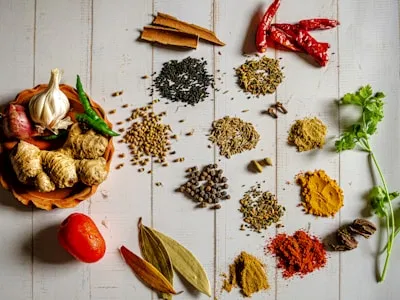
Essential Marketplace Checklist for Jollof
If you are planning a Jollof cook-off, ensure your pantry is stocked with these essentials from BaoAfrik sellers:
- Grains: Long-grain parboiled rice (5kg/10kg bags) or Aromatic Jasmine rice.
- Aromatics: Fresh or dried Ginger (Zingiber officinale) and Garlic.
- Heat: Dried chili flakes or fresh Scotch Bonnet (Ata Rodo).
- Base: High-quality Tomato Paste and traditional bouillon.
- Extras: Bay leaves, Thyme, and West African Curry powder.
Join the BaoAfrik Community
BaoAfrik is more than just a place to find products; it is a platform for cultural preservation. We bridge the gap between Africa and the diaspora by providing a safe, reliable space for buyers and sellers to interact.
- For Buyers: Browse curated listings of authentic African products near you. Register here to start connecting with sellers.
- For Sellers: Do you have access to high-quality spices, textiles, or traditional goods? Help your community by creating a listing today.
Whether you prefer the smoky depths of Nigeria, the fragrant fluffiness of Ghana, or the rich complexity of Senegal, the perfect Jollof starts with the right ingredients. By supporting local sellers on BaoAfrik, you aren't just making a meal: you are sustaining the traditions that connect us all.
Looking for African products near you? Visit BaoAfrik.com
Leave a Reply