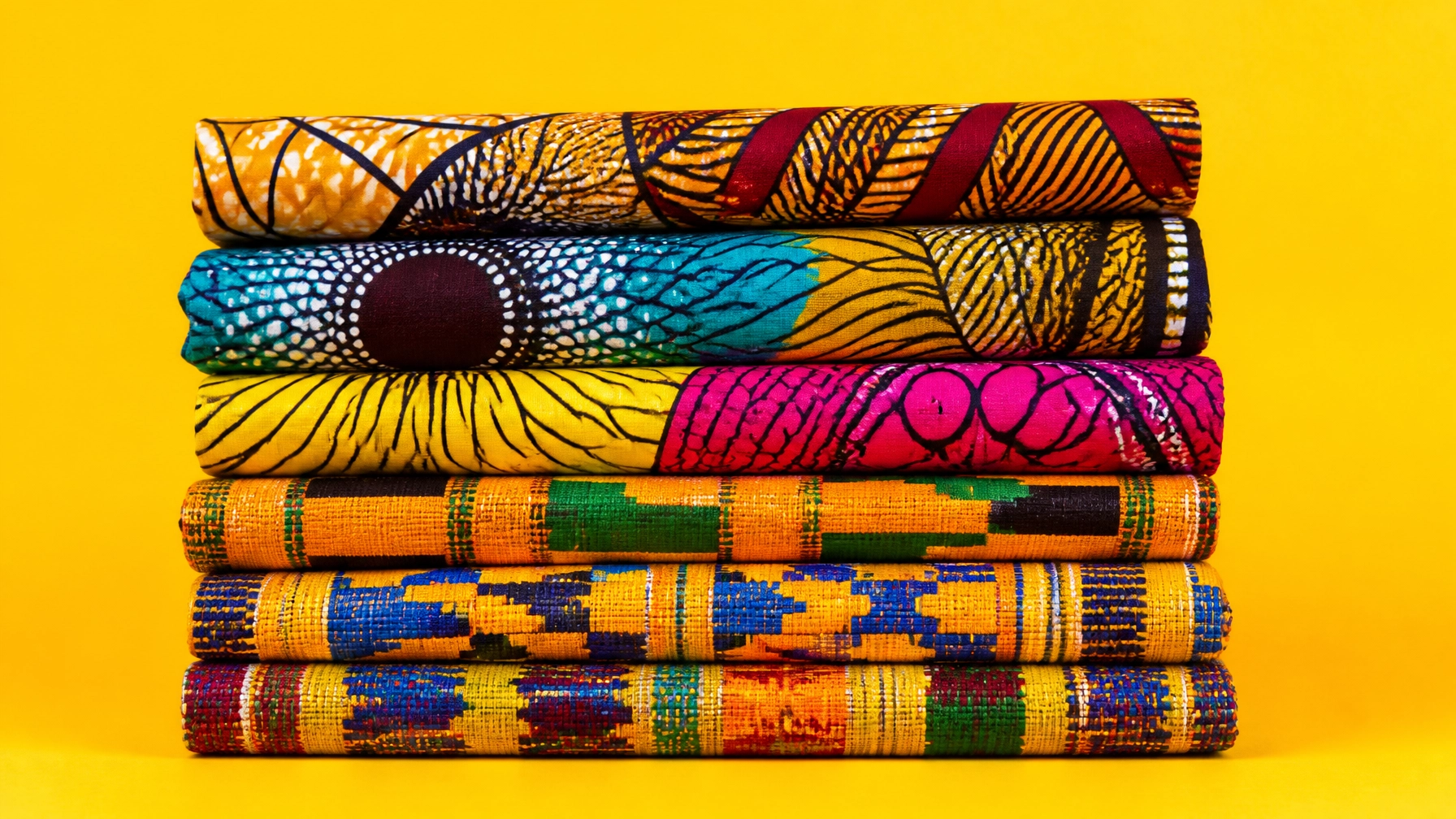
For many of us in the diaspora, clothing is more than just fabric: it is a second skin that connects us to our heritage, our ancestors, and the vibrant streets of home. Whether you are attending a traditional wedding, a community gala, or simply want to carry a piece of your culture into your everyday wardrobe, finding authentic pieces can be a challenge.
In the digital age, the "African fashion" search result is often flooded with mass-produced, synthetic imitations that lack the soul and quality of genuine textiles. That is why we created BaoAfrik, a community-centric marketplace where buyers connect directly with sellers who understand the weight of tradition. This guide is designed to help you navigate the world of online textiles, ensuring you find the quality you deserve while supporting the artisans who keep our culture alive.
Understanding the Textiles: Regional Names and Origins
The first step to a successful search is knowing exactly what you are looking for. Authentic African clothing is rarely categorized under a single "African" label. Instead, it is defined by specific regions, weaving techniques, and cultural significance.
1. Ankara / African Wax Print / Dutch Wax
Ankara is perhaps the most recognizable textile across the continent and the diaspora. It is a 100% cotton fabric printed using a wax-resist dyeing technique.
- Geographic Origin: Popularized and widely produced in West Africa, particularly Nigeria, Ghana, and Ivory Coast.
- Standard Measurements: Typically sold in 6-yard (approx. 5.5 meters) or 12-yard (approx. 11 meters) bolts.
- Identification: Look for a "Genuine Wax" or "Super-Wax" stamp on the selvedge (the edge of the fabric). Authentic Ankara feels crisp but softens significantly after the first wash.

2. Kente / Nwentoma
Originating from the Ashanti and Ewe people of Ghana and Togo, Kente is a royal and sacred cloth worn during important ceremonies.
- Geographic Origin: Ghana (Bonwire and Adanwomase are famous hubs).
- Traditional Construction: Unlike printed fabric, Kente is hand-woven in narrow strips (about 4 inches wide) that are later sewn together to create larger wraps or garments.
- Identification: Real Kente (Nwentoma) has a visible texture and weight from the silk and cotton threads. If the "Kente" you see online is a flat, printed pattern on thin fabric, it is an imitation, not the hand-woven original.

3. Mudcloth / Bogolan / Bogolanfini
Bogolanfini translates to "mud cloth" in the Bambara language. It is a Malian textile tradition that uses fermented mud to create intricate, symbolic patterns.
- Geographic Origin: Mali.
- Standard Measurements: Often sold as individual handmade strips or "finis" (cloth pieces) that vary in size due to their artisanal nature.
- Identification: Authentic Mudcloth has a distinct earthy scent and a heavy, textured feel. The patterns are hand-painted, meaning no two pieces are identical.

The Authenticity Checklist: How to Vet a Seller
When you are browsing a peer-to-peer marketplace like BaoAfrik, the goal is to find sellers who are deeply rooted in the community. Here is how you can ensure the garment or fabric you are eyeing is the real deal:
Check the Descriptors
A seller who understands their craft will use precise, regional terminology. Look for words like Aso-Oke (Yoruba hand-woven cloth), Shweshwe (South African printed cotton), or Dashiki/Kitenge (East and West African silhouettes). If the description is vague: using only terms like "Tribal Print" or "Ethnic Wear": take it as a signal to look closer.
Transparency in Sourcing
Authentic clothing has a story. Our community-focused mission at BaoAfrik emphasizes these connections. Reliable sellers can often tell you which market or artisan collective their goods came from. Are the beads from the Krobo region? Is the lace sourced from Lagos? This level of detail is a hallmark of authenticity.
Material and Weight
Authenticity has a physical weight. Most traditional African textiles are made from 100% cotton, silk, or hand-spun wool.
- Cotton (Ankara/Mudcloth): Should feel breathable and sturdy.
- Silk/Rayon Blends (Kente/Aso-Oke): Should have a slight sheen and significant structural integrity.
- Avoid: Items listed as "100% Polyester" that claim to be traditional wax prints. While polyester is cheaper, it does not hold the vibrant dyes or offer the comfort of genuine cotton.
Navigating the Marketplace Experience
BaoAfrik is not a shop; it is a bridge. It is a space where the diaspora can find the hard-to-get items that remind them of home. To get the best experience, we encourage a high level of interaction between buyers and sellers.
Use the Chat Feature
Don't be afraid to ask for more details! Since we operate as a marketplace, you can speak directly with sellers. Ask for a photo of the fabric's selvedge or a close-up of the stitching. This direct communication builds trust and ensures you know exactly what is arriving at your door.

The "Request & Bring" Service
Can't find a specific pattern or a particular style of Agbada/Grand Boubou? Our Request feature allows you to tap into the community. You can post a request for a specific item, and sellers or travelers within the network can help source it directly from the continent. This is the ultimate way to find rare, handcrafted items that aren't available on mainstream retail sites.
Caring for Your Heritage Pieces
Once you have secured your authentic African clothing, proper care is essential to preserving the colors and fibers.
- Hand Wash First: For Ankara and Mudcloth, hand washing in cold water with a mild detergent is recommended for the first few cleans.
- Avoid Harsh Chemicals: Bleach is the enemy of traditional dyes. Use natural soaps whenever possible.
- Ironing: Most traditional cottons require ironing while slightly damp to maintain their crisp, professional look.
- Dry in the Shade: Strong, direct sunlight can fade the vibrant vegetable dyes used in many hand-dyed fabrics like Adire or Bogolan.
Building a Community-Centric Wardrobe
Choosing to buy through a marketplace like ours is a mission-driven choice. It means your investment goes directly back into the hands of those who understand the culture. It supports the aunties in the market, the tailors in the city, and the weavers in the village.
By following this guide, you aren't just buying a dress or a shirt; you are preserving a craft and wearing your history with pride. We invite you to explore our community guidelines to see how we maintain a safe and reliable space for everyone in the diaspora.
Whether you are looking for a specific yardage of Dutch Wax or a custom-tailored Kaftan, the journey to finding your perfect piece starts with the right community.
Looking for African products near you? Visit BaoAfrik.com
Leave a Reply