
For many of us in the African diaspora living in the UK, the weekend routine often involves a familiar, albeit exhausting, ritual. It starts with a mental checklist of the ingredients missing from the pantry: a tuber of sweet Puna Yam, a fresh bag of Egusi, or perhaps that specific brand of Shito that reminds you of Saturday mornings back home. Then comes the "long drive."
Whether you are living in a quiet suburb of Leicester, a coastal town in Kent, or the outskirts of Manchester, finding authentic African food often means trekking to a concentrated "hub": usually a specific high street miles away where the air smells of roasting plantain and the shops are packed tight. While the vibrant atmosphere of these markets is nostalgic, the three-hour round trip through UK traffic is not.
The struggle is real: you shouldn't have to choose between your cultural heritage and your weekend's peace of mind. That is where the community-driven approach of a peer-to-peer marketplace changes the game.
The "Grocery Desert" for African Diaspora
The UK is home to a vibrant African community, yet the mainstream retail infrastructure has been slow to catch up. Most major supermarkets carry "world food" aisles that barely scratch the surface of our culinary diversity. You might find a generic "curry powder," but you won't find authentic Suya Spice / Yaji (Traditional Northern Nigerian spice blend) or Prekese / Soup Perfume (Tetrapleura tetraptera).
This creates what many call a "grocery desert." When you live outside of major metropolitan hubs like London (Peckham or Dalston) or Birmingham (Handsworth), accessing traditional ingredients becomes a logistical hurdle.
- The Travel Cost: Fuel and parking in the UK are expensive.
- The Time Sink: A simple grocery run can take up half your Saturday.
- The Risk of Out-of-Stock: There is nothing more frustrating than driving 40 miles only to find the seller is out of the Hard Chicken / Old Layer (Tough boiling fowl) you needed for your stew.
Bridging the Gap: What is BaoAfrik?
BaoAfrik is not a traditional shop. We don’t own warehouses, and we don’t sell products directly. Instead, we are a peer-to-peer (P2P) marketplace designed to bridge the geographic gap between you and the flavors of home.
Think of us as a community bridge. We connect buyers: people like you looking for authentic tastes: with local sellers who already have these products nearby. By empowering individuals and small local businesses to list their inventory on a trusted platform, we make it possible to find what you need without the cross-country trek.
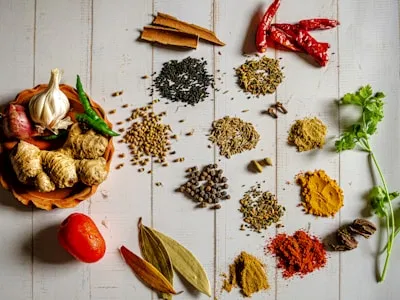
Essential Marketplace Categories: Food & Spices
To help you navigate the marketplace, we’ve organized listings into clear, utilitarian categories. Whether you are looking for specific seasonings or bulk staples, understanding the traditional nomenclature helps ensure you find exactly what you’re looking for.
1. Traditional Seasonings & Flavor Bases
The foundation of African cuisine lies in its complex spice profiles. On the BaoAfrik marketplace, sellers often list traditional blends that are handcrafted and free from the preservatives found in mainstream alternatives.
- Shito / Black Pepper Sauce (Ghanian spicy condiment): Typically sold in 200g–500g glass jars. Look for deep, dark infusions containing ginger, dried fish, and crustaceans.
- Ogiri / Fermented Oil Seeds (Traditional Igbo seasoning): Usually wrapped in leaves or small plastic containers (approx. 50g–100g). Essential for authentic Onugbu or Egusi soup.
- Iru / Dawadawa (Fermented Locust Beans): Available in "fresh" (moist) or "dried" forms. Originating from West Africa, these add a pungent, umami depth to stews.
2. Soup Ingredients & Dried Goods
Maintaining a stocked pantry of dried goods is the secret to quick, authentic meals. Sellers on the marketplace often offer these in standardized weights for transparency.
- Egusi / Melon Seeds (Mann's cucumeropsis): Sold as whole seeds or pre-ground. Standard listings are often 500g or 1kg bags.
- Crayfish / Dried Shrimp (Ground or whole): A staple for nearly every West African soup. Look for sellers offering "extra-clean" varieties to avoid grit.
- Stockfish / Okporoko (Dried Cod): Sourced from the North Atlantic but essential to Nigerian cuisine. Available in "cut-ups" or whole heads/fillets.
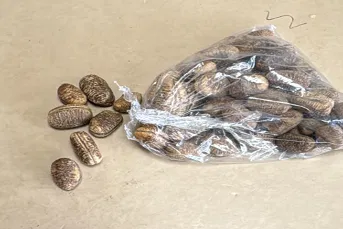
The Tuber Struggle: Yam and Plantain Locally
One of the biggest reasons for the "long drive" is the weight of our staples. Carrying a 5kg Yam / Puna Yam (Dioscorea) or a bunch of Plantain / Cooking Banana (Musa paradisiaca) on public transport is a nightmare, and shipping them via standard couriers can be prohibitively expensive due to their weight.
By using a local marketplace like BaoAfrik, you can find sellers within your own city or even your own neighborhood.
- Freshness Guarantee: Because you are connecting with local sellers, the tubers haven't spent days in a delivery van.
- Local Pickup: Many buyers prefer to arrange a local pickup, saving on the high "per-kilogram" shipping rates often charged by distant online shops.

How It Works: The Power of Community
The beauty of a peer-to-peer model is its flexibility. We’ve built features that go beyond a simple "add to cart" experience, focusing instead on solving the unique problems of the diaspora.
The "Request & Bring" Feature
Can’t find a specific item listed near you? Our Requests feature allows you to post exactly what you need. Whether it’s a specific brand of biscuits from Kenya or a particular herbal tea from Cameroon, you can signal the community. Often, a traveler or a local seller will see your request and fulfill it for you. This "Request & Bring" model turns every community member into a potential bridge to home.
Safety and Trust
We understand that buying from individuals requires trust. That’s why we’ve implemented a robust Safety & Trust framework.
- Verified Sellers: Look for the verification badge on seller profiles.
- Secure Communication: Use our platform to message sellers, ask about the origin of the products, or request more photos.
- Community Reviews: Read feedback from other buyers in the UK to ensure you are getting the quality you expect.

Why Choose Local Sellers Over Big Retailers?
When you connect with a seller on BaoAfrik, you aren't just buying food; you are supporting a micro-economy within the diaspora.
- Authenticity: Individual sellers often source their products through personal networks back home, ensuring the Gari / Cassava Flakes is fermented just right, or the Palm Oil is unadulterated and rich in color.
- Cultural Knowledge: Our sellers know the difference between "Green Plantain" (unripe) and "Yellow Plantain" (ripe). They understand the ingredients needed for a specific regional dish.
- Sustainability: Buying locally reduces the carbon footprint associated with long-distance shipping and helps build a resilient food network for Africans in the UK.
Join the Community
If you’ve been feeling the "nostalgia itch" but can't face another long drive to the city center, it’s time to look closer to home. There are likely sellers in your very own community who have exactly what you need sitting on their shelves.
On the flip side, if you find yourself always overstocking on your trips home or you have a reliable source for authentic goods, why not register as a seller? You can help a neighbor avoid that long drive while earning extra income.
The gap between the UK and home is only as wide as we allow it to be. By connecting with each other, we bring the flavors, the smells, and the culture of Africa right to our doorsteps.
Visit baoafrik.com to find sellers near you.
Looking for African products near you? Visit BaoAfrik.com
Leave a Reply