For many of us living in the diaspora, the kitchen is where our heritage truly comes alive. The aroma of simmering palm oil, the sharp kick of Scotch bonnet peppers, and the earthy depth of fermented locust beans (Iru / Dawadawa) do more than just make a meal: they transport us back to the bustling markets and family gatherings of home.
However, recreating those exact flavors in a new country can be challenging. Whether you are a first-generation immigrant longing for a specific stew or a third-generation member of the diaspora exploring your cultural roots, mastering the art of African seasoning is your gateway to authentic taste.
At BaoAfrik, we believe that distance shouldn't mean a disconnected palate. As a community-centric peer-to-peer marketplace, we connect buyers with local sellers who understand exactly what "home" tastes like.
Here is our easy 5-step guide to mastering African seasonings and bringing the authentic flavors of the continent into your kitchen.
1. Stock Your Essential Diaspora Pantry
Before you start cooking, you need a foundation. African cuisine is incredibly diverse, but many regions share a "holy trinity" of aromatics and heat. Having these on hand ensures you can whip up a base for almost any traditional dish.
The Aromatic Base
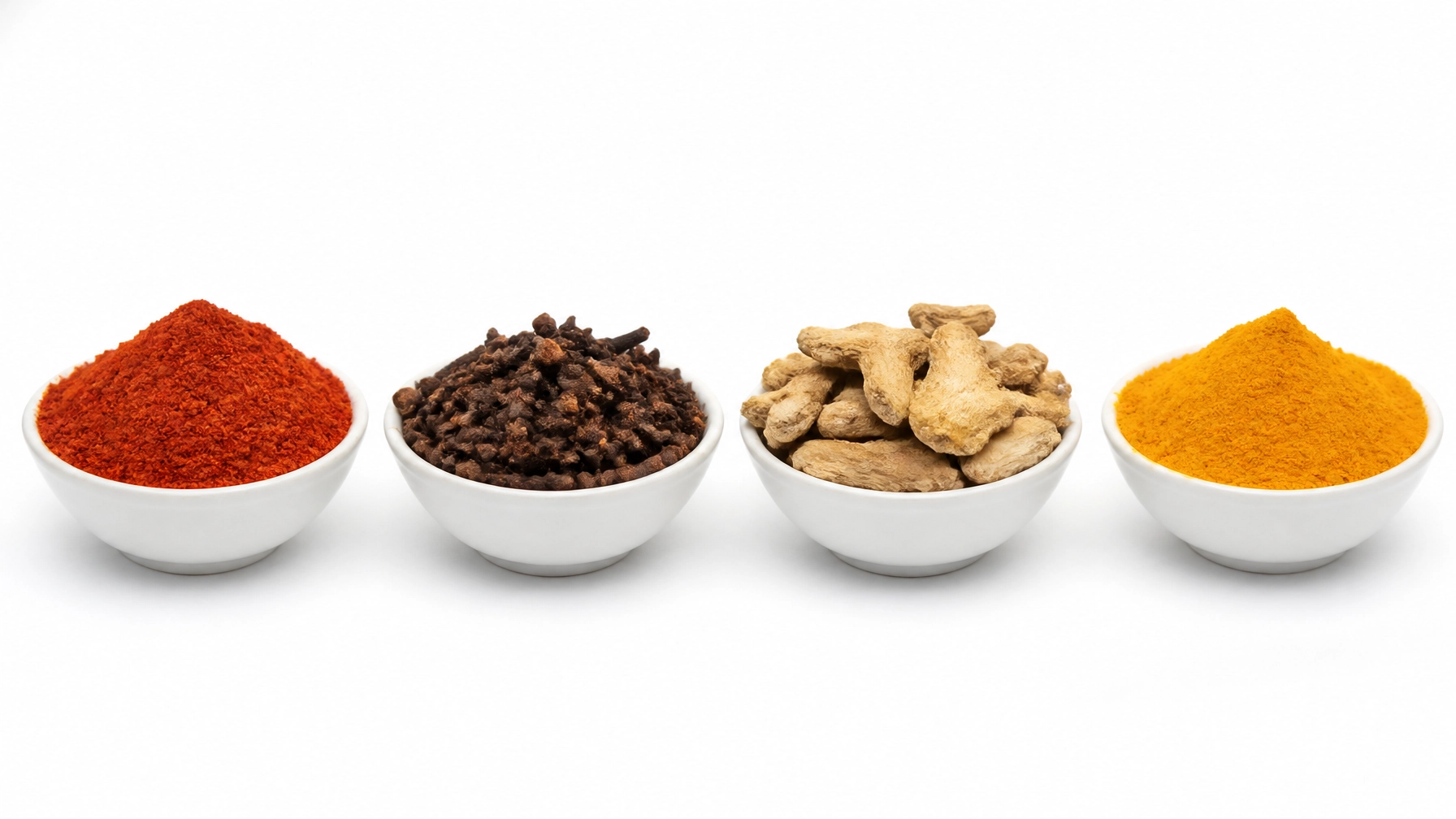
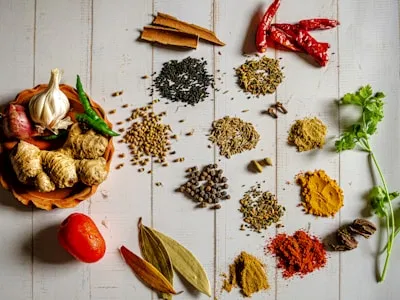
- Ginger (Zingiber officinale / Atale): Provides a sharp, warm, and spicy undertone essential for stews and marinades.
- Garlic (Allium sativum / Ayuu): A universal flavor enhancer used across West, East, and North African recipes.
- Onions (Allium cepa / Albasa): Usually sautéed until translucent or caramelized to add sweetness and body.
The Heat and Color
- Chili Peppers (Scotch Bonnet / Habanero / Ata Rodo): Known for their intense heat and fruity aroma. In the diaspora, these are the backbone of spice.
- Turmeric (Curcuma longa / Atale Pupa): Used for its earthy flavor and vibrant yellow-orange hue, common in East African and coastal dishes.
- Paprika (Capsicum annuum): Offers a mild heat and deep red color, particularly in North African tagines and Southern African rubs.
2. Master the Three Core Seasoning Techniques
The way you apply your spices is just as important as the spices themselves. To get that "just like grandma's" flavor, you must move beyond simply sprinkling powder on food.
Technique A: Blooming in Fat
This is perhaps the most crucial skill. Many African spices are fat-soluble, meaning their full flavor is only released when heated in oil or butter.
- Process: Heat 2-3 tablespoons of oil (such as palm oil or vegetable oil). Add your dry spice blends and stir for 30–60 seconds until the room smells fragrant.
- Benefit: This creates a deep, rounded flavor profile that water-based cooking cannot achieve.
Technique B: Wet Marinades and Pastes
For proteins, wet pastes are the gold standard. In the Caribbean and parts of West Africa, "Green Seasoning" (a blend of herbs, scallions, and garlic) is used to prep everything from chicken to fish.
- Process: Blend fresh aromatics with a little oil and acid (like lemon juice or vinegar).
- Benefit: Marinating for at least 2 hours allows the seasoning to penetrate the meat rather than just sitting on the surface.
Technique C: Dry Rubs for Grilling
West African street food, like Suya, relies on the dry rub method.
- Process: Press a dry, nutty spice mix firmly onto meat skewers before cooking over high heat.
- Benefit: This creates a flavorful "crust" that seals in juices.
3. Understand Your Regional Flavor Profiles
While there is overlap, each region has its signature "soul" seasoning. Recognizing these helps you navigate the BaoAfrik marketplace to find exactly what you need.
| Region | Signature Blend | Common Traditional Synonyms | Primary Use |
|---|---|---|---|
| West Africa | Suya Spice | Yaji / Suya Pepper | Grilled beef, chicken, or lamb. |
| East Africa | Berbere | Berbere / Ethiopian Spice Mix | Long-simmered stews (Wats) and lentils. |
| North Africa | Ras el Hanout | "Top of the shop" / Moroccan Spice | Tagines, couscous, and roasted vegetables. |
| Southern Africa | Peri-Peri | Piri-Piri / African Bird's Eye Chili | Spicy grilled chicken and seafood marinades. |

4. Learn Smart Diaspora Substitutions
Sometimes, finding a specific regional item like Grains of Paradise or Iru can be difficult if a local seller isn't nearby. Don't let that stop you from cooking. You can achieve a similar profile using these utilitarian swaps:
- For Iru (Fermented Locust Beans / Dawadawa): Use a high-quality red or brown Miso paste. It provides a similar fermented, salty, umami depth. Use 1 tablespoon of miso for every tablespoon of Iru.
- For Grains of Paradise (Alligator Pepper / Hepper Pepper): Mix 3/4 tsp black pepper with a pinch of cardamom and ground ginger.
- For Scotch Bonnet: Habanero peppers are the closest relative in terms of heat and fruitiness. If neither is available, a combination of serrano peppers and a dash of cayenne can work in a pinch.
- For Uziza Leaves: Use fresh arugula (rocket) with extra cracked black pepper to mimic the peppery, herbal notes.

5. Connect with the Community for Authentic Ingredients
The secret ingredient in many African homes isn't found on a supermarket shelf: it’s found in the community. Many of the most authentic seasonings, like sun-dried spices or hand-blended rubs, are made by individuals who carry traditional recipes in their hearts.
This is where BaoAfrik comes in. We are a peer-to-peer marketplace that bridges the gap between those who need traditional goods and those who have them. By connecting directly with sellers in the diaspora, you can find:
- Regional-specific items that large retailers often overlook.
- Handcrafted spice blends made with traditional ratios.
- Authentic food and spices sourced directly from heritage-rich regions.
Building your pantry through a community-focused platform doesn't just improve your cooking; it supports fellow Africans in the diaspora and preserves our collective heritage.

Mastering African seasoning is a journey of trial, error, and memory. By stocking the right essentials, practicing your blooming techniques, and knowing when to substitute, you can turn any kitchen: anywhere in the world: into a piece of home.
Looking for African products near you? Visit BaoAfrik.com
Leave a Reply