Author: baoafrik

  • Traveling Back from Africa? How to Earn Extra by Bringing a Little Piece of Home

    Traveling back from home with authentic goods

    For many Africans living abroad, the journey back home is more than just a vacation: it is a mission to reconnect with roots, family, and flavors. We all know the scene at the airport: oversized suitcases packed to the brim, secured with extra tape, and filled with the treasures that are so hard to find in local supermarkets. Whether it is a specific blend of regional spices or the exact texture of a traditional textile, these items represent a tangible link to heritage.

    At BaoAfrik, we understand that the diaspora often misses the authentic products that defined their upbringing. Simultaneously, we know that travelers often have a little extra space in their luggage and a desire to make their trip more sustainable: or even profitable.

    That is why we introduced the Request & Bring feature. This peer-to-peer marketplace model turns every traveler into a bridge and every empty corner of a suitcase into a solution for a neighbor in the UK.

    The "Home Gap": Why Authenticity Matters

    Living in cities like London, Manchester, or Birmingham, you can find many international products. However, any seasoned cook will tell you that not all "African food" is created equal. The standard, mass-produced versions found in large retail chains often lack the depth of flavor, the specific grind, or the organic quality of goods sourced directly from local markets in Lagos, Accra, Nairobi, or Douala.

    This "Home Gap" is what BaoAfrik aims to bridge. Instead of waiting for a family member to visit once a year, our community uses the BaoAfrik Requests platform to find travelers who are already making the trip. It is a community-centric way to solve a logistical problem while helping travelers earn extra income to cover their flight costs or local expenses.

    How It Works: The Traveler’s Guide to Earning

    Becoming a "BaoAfrik Bringer" is simple. If you are planning a trip from any African country back to the UK, you can use your luggage space to help others and earn money.

    1. Browse the Requests: Before you leave, visit the Requests page on our marketplace. Look for items that users in your destination city (e.g., London) are looking for.
    2. Offer to Bring: If you see a request for an item you can easily source and carry, send a message to the buyer. Agree on the price for the item and your "delivery fee."
    3. Secure the Product: Purchase the authentic item: be it spices, fabrics, or dried goods: ensuring it meets the buyer’s specific requirements.
    4. Meet Locally: Once you land in the UK, arrange a safe meeting point to hand over the item and receive your payment.

    By facilitating these peer-to-peer connections, BaoAfrik ensures that the money stays within the community, supporting both the traveler and the local sellers back home.

    Most Requested Items: What You Should Look Out For

    If you are wondering what to pack, here are some of the most sought-after products on the BaoAfrik marketplace. These items are consistently in demand due to their unique qualities and the difficulty of finding authentic versions abroad.

    1. Igede / Plantains (Cooking Bananas)

    Fresh Plantains

    • Description: Firm, starch-rich fruit from the Musaceae family.
    • Common Use: Fried (Dodo), boiled, or roasted (Boli).
    • Measurement: Typically requested in bunches of 5–10 kg.
    • Why it’s requested: While available in the UK, many diaspora members seek specific varieties like the "Agbagba" or "Horn" plantains from West Africa, which have a superior sugar-to-starch ratio when ripe.

    2. Yaji / Suya Spice (Peanut-Based Spice Rub)
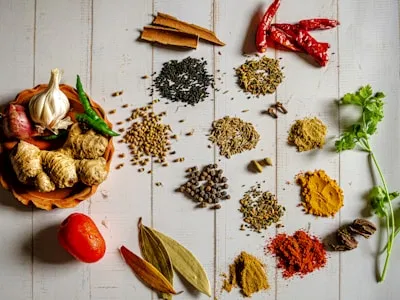
    Traditional African Spices

    • Description: A complex, dry aromatic blend consisting of ground peanuts (kuli-kuli), ginger, cayenne pepper, and bouillon.
    • Origin: Northern Nigeria / Hausa regions.
    • Weight: Usually requested in 250g or 500g sealed pouches.
    • Why it’s requested: The authentic "smoke" and heat of street-style Suya spice are difficult to replicate with store-bought alternatives. Requesters often ask for specific blends from trusted local vendors in cities like Kano or Lagos.

    3. Ankara / African Wax Print (100% Cotton Textile)

    Ankara Fabric

    • Description: High-quality, industrially produced cotton cloth with vibrant, wax-resist patterns.
    • Dimensions: Standard requests are for "6 yards" (approx. 5.5 meters).
    • Why it’s requested: While many prints are sold online, nothing beats the feel and durability of authentic wax prints sourced directly from markets like Makola in Ghana. Buyers often request specific limited-edition patterns for weddings or traditional ceremonies.

    4. Okporoko / Stockfish (Dried Cod)

    Stockfish Okporoko

    • Description: Air-dried whitefish, typically cod, processed without salt.
    • Origin: Often imported to Africa from Norway but cured and sold with specific regional preferences in mind.
    • Weight: 1kg to 5kg bags of "cutups" or whole heads.
    • Why it’s requested: The smell and texture of stockfish are essential for authentic soups like Egusi or Ogbono. Many users request "prime cuts" that are difficult to find in standard UK international aisles.

    Safety, Trust, and the Peer-to-Peer Model

    Because BaoAfrik is a marketplace that connects individuals, safety and trust are our top priorities. We do not sell or deliver these products ourselves; instead, we provide the platform for you to find each other.

    To ensure a smooth experience, we recommend all users:

    • Communicate Clearly: Use our messaging system to confirm weights, brands, and prices.
    • Check Guidelines: Review our Safety & Trust page for tips on meeting in public places and verifying products.
    • Follow Regulations: Travelers must ensure that any items they bring comply with UK customs regulations regarding food and agriculture. Generally, processed, dried, and packaged items are safer to transport than fresh, unprocessed meats or plants.

    Join the BaoAfrik Community

    Whether you are a traveler looking to offset your ticket costs or someone in the UK longing for a taste of home, the Request & Bring feature is here to serve you.

    BaoAfrik is more than just a marketplace; it is a community-driven ecosystem. By connecting buyers and sellers directly, we are preserving cultural heritage and making the world feel a little bit smaller, one suitcase at a time.

    Ready to see what your neighbors are looking for? Or perhaps you want to post your own request for that specific spice blend you’ve been dreaming of?

    Looking for African products near you? Visit BaoAfrik.com

  • Where to Buy Authentic African Food in the UK (Without the Long Drive)

    Authentic African Pantry Staples

    For many of us in the African diaspora living in the UK, the weekend routine often involves a familiar, albeit exhausting, ritual. It starts with a mental checklist of the ingredients missing from the pantry: a tuber of sweet Puna Yam, a fresh bag of Egusi, or perhaps that specific brand of Shito that reminds you of Saturday mornings back home. Then comes the "long drive."

    Whether you are living in a quiet suburb of Leicester, a coastal town in Kent, or the outskirts of Manchester, finding authentic African food often means trekking to a concentrated "hub": usually a specific high street miles away where the air smells of roasting plantain and the shops are packed tight. While the vibrant atmosphere of these markets is nostalgic, the three-hour round trip through UK traffic is not.

    The struggle is real: you shouldn't have to choose between your cultural heritage and your weekend's peace of mind. That is where the community-driven approach of a peer-to-peer marketplace changes the game.

    The "Grocery Desert" for African Diaspora

    The UK is home to a vibrant African community, yet the mainstream retail infrastructure has been slow to catch up. Most major supermarkets carry "world food" aisles that barely scratch the surface of our culinary diversity. You might find a generic "curry powder," but you won't find authentic Suya Spice / Yaji (Traditional Northern Nigerian spice blend) or Prekese / Soup Perfume (Tetrapleura tetraptera).

    This creates what many call a "grocery desert." When you live outside of major metropolitan hubs like London (Peckham or Dalston) or Birmingham (Handsworth), accessing traditional ingredients becomes a logistical hurdle.

    • The Travel Cost: Fuel and parking in the UK are expensive.
    • The Time Sink: A simple grocery run can take up half your Saturday.
    • The Risk of Out-of-Stock: There is nothing more frustrating than driving 40 miles only to find the seller is out of the Hard Chicken / Old Layer (Tough boiling fowl) you needed for your stew.

    Bridging the Gap: What is BaoAfrik?

    BaoAfrik is not a traditional shop. We don’t own warehouses, and we don’t sell products directly. Instead, we are a peer-to-peer (P2P) marketplace designed to bridge the geographic gap between you and the flavors of home.

    Think of us as a community bridge. We connect buyers: people like you looking for authentic tastes: with local sellers who already have these products nearby. By empowering individuals and small local businesses to list their inventory on a trusted platform, we make it possible to find what you need without the cross-country trek.

    Traditional African Spices Collection

    Essential Marketplace Categories: Food & Spices

    To help you navigate the marketplace, we’ve organized listings into clear, utilitarian categories. Whether you are looking for specific seasonings or bulk staples, understanding the traditional nomenclature helps ensure you find exactly what you’re looking for.

    1. Traditional Seasonings & Flavor Bases

    The foundation of African cuisine lies in its complex spice profiles. On the BaoAfrik marketplace, sellers often list traditional blends that are handcrafted and free from the preservatives found in mainstream alternatives.

    • Shito / Black Pepper Sauce (Ghanian spicy condiment): Typically sold in 200g–500g glass jars. Look for deep, dark infusions containing ginger, dried fish, and crustaceans.
    • Ogiri / Fermented Oil Seeds (Traditional Igbo seasoning): Usually wrapped in leaves or small plastic containers (approx. 50g–100g). Essential for authentic Onugbu or Egusi soup.
    • Iru / Dawadawa (Fermented Locust Beans): Available in "fresh" (moist) or "dried" forms. Originating from West Africa, these add a pungent, umami depth to stews.

    2. Soup Ingredients & Dried Goods

    Maintaining a stocked pantry of dried goods is the secret to quick, authentic meals. Sellers on the marketplace often offer these in standardized weights for transparency.

    • Egusi / Melon Seeds (Mann's cucumeropsis): Sold as whole seeds or pre-ground. Standard listings are often 500g or 1kg bags.
    • Crayfish / Dried Shrimp (Ground or whole): A staple for nearly every West African soup. Look for sellers offering "extra-clean" varieties to avoid grit.
    • Stockfish / Okporoko (Dried Cod): Sourced from the North Atlantic but essential to Nigerian cuisine. Available in "cut-ups" or whole heads/fillets.

    Raw Ogbono Seeds Pack

    The Tuber Struggle: Yam and Plantain Locally

    One of the biggest reasons for the "long drive" is the weight of our staples. Carrying a 5kg Yam / Puna Yam (Dioscorea) or a bunch of Plantain / Cooking Banana (Musa paradisiaca) on public transport is a nightmare, and shipping them via standard couriers can be prohibitively expensive due to their weight.

    By using a local marketplace like BaoAfrik, you can find sellers within your own city or even your own neighborhood.

    • Freshness Guarantee: Because you are connecting with local sellers, the tubers haven't spent days in a delivery van.
    • Local Pickup: Many buyers prefer to arrange a local pickup, saving on the high "per-kilogram" shipping rates often charged by distant online shops.

    African Yam Tubers

    How It Works: The Power of Community

    The beauty of a peer-to-peer model is its flexibility. We’ve built features that go beyond a simple "add to cart" experience, focusing instead on solving the unique problems of the diaspora.

    The "Request & Bring" Feature

    Can’t find a specific item listed near you? Our Requests feature allows you to post exactly what you need. Whether it’s a specific brand of biscuits from Kenya or a particular herbal tea from Cameroon, you can signal the community. Often, a traveler or a local seller will see your request and fulfill it for you. This "Request & Bring" model turns every community member into a potential bridge to home.

    Safety and Trust

    We understand that buying from individuals requires trust. That’s why we’ve implemented a robust Safety & Trust framework.

    • Verified Sellers: Look for the verification badge on seller profiles.
    • Secure Communication: Use our platform to message sellers, ask about the origin of the products, or request more photos.
    • Community Reviews: Read feedback from other buyers in the UK to ensure you are getting the quality you expect.

    BaoAfrik Marketplace Mobile App

    Why Choose Local Sellers Over Big Retailers?

    When you connect with a seller on BaoAfrik, you aren't just buying food; you are supporting a micro-economy within the diaspora.

    1. Authenticity: Individual sellers often source their products through personal networks back home, ensuring the Gari / Cassava Flakes is fermented just right, or the Palm Oil is unadulterated and rich in color.
    2. Cultural Knowledge: Our sellers know the difference between "Green Plantain" (unripe) and "Yellow Plantain" (ripe). They understand the ingredients needed for a specific regional dish.
    3. Sustainability: Buying locally reduces the carbon footprint associated with long-distance shipping and helps build a resilient food network for Africans in the UK.

    Join the Community

    If you’ve been feeling the "nostalgia itch" but can't face another long drive to the city center, it’s time to look closer to home. There are likely sellers in your very own community who have exactly what you need sitting on their shelves.

    On the flip side, if you find yourself always overstocking on your trips home or you have a reliable source for authentic goods, why not register as a seller? You can help a neighbor avoid that long drive while earning extra income.

    The gap between the UK and home is only as wide as we allow it to be. By connecting with each other, we bring the flavors, the smells, and the culture of Africa right to our doorsteps.

    Visit baoafrik.com to find sellers near you.

    Looking for African products near you? Visit BaoAfrik.com
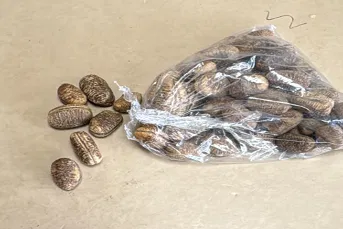
  • Shea Butter 101: How to Spot the Real Deal vs. The Fakes

    Raw Unrefined Shea Butter in a traditional bowl

    For many Africans living abroad, the scent of raw Shea Butter / Ori / Karité is the scent of home. It is the smell of a grandmother’s hands, the remedy for dry winter skin in London or New York, and a multi-generational secret for glowing skin and healthy hair. Known traditionally as "Women’s Gold," shea butter is a cornerstone of African skincare products.

    However, as the global demand for this miracle fat has surged, the market has become flooded with "fakes": highly processed, chemically refined, or diluted versions that lack the healing properties of the traditional product. At BaoAfrik, we act as a bridge between the diaspora and authentic sellers who offer genuine, handcrafted shea butter directly from the source. To help you navigate the marketplace, here is a utilitarian guide to identifying authentic, raw shea butter.

    1. Traditional Nomenclature and Geographic Origins

    Understanding what you are looking for starts with the name and the source. Shea butter is extracted from the nuts of the Vitellaria paradoxa tree (West African) or the Vitellaria nilotica tree (East African).

    • West African Shea (Vitellaria paradoxa): Traditionally called Ori (Yoruba), Okuma (Igbo), or Karité (French-speaking regions). It is typically firmer at room temperature and is the most common variety found in the marketplace.
    • East African Shea (Vitellaria nilotica): Often referred to as "Nilotica," this variety is rarer, softer, and has a higher olein content, making it liquid-gold for intense moisturization.

    When browsing the BaoAfrik marketplace, look for sellers who specify the geographic origin: such as Northern Ghana, Nigeria, or Uganda: and provide the traditional names. Authenticity starts with transparency about the product's roots.

    2. The Visual Test: Color and Appearance

    The most common misconception is that "real" shea butter must be pure white. In reality, pure white is often a sign of heavy refining and bleaching.

    Color comparison of unrefined vs refined shea butter

    Unrefined Shea (The Real Deal)

    • Color Range: Ivory, cream, pale grayish-yellow, or even a distinct turmeric-yellow.
    • Yellow Shea: Note that some traditional sellers add Borututu root or Palm oil during the boiling process to give the butter a vibrant yellow hue. This is a traditional practice in West Africa and is still considered "unrefined" as long as the base process remains handcrafted.
    • Appearance: It should look slightly uneven or matte. It should not look like plastic or shiny wax.

    Refined or "Fake" Shea

    • Color: Stark, pure white. This indicates the butter has been bleached to remove its natural color and impurities, a process that also strips away vitamins A and E.
    • Appearance: Often has a perfectly smooth, uniform look similar to vegetable shortening or industrial lard.

    3. The Scent Profile: Nutty and Smoky

    If your shea butter smells like nothing, it’s likely not the authentic, unrefined product your skin needs.

    Traditional shea butter extraction involves roasting the nuts over an open fire. This imparts a very specific, evocative aroma.

    • The Authentic Scent: A distinct nutty, earthy, and slightly smoky aroma. Some describe it as "wild" or "pungent." While the scent dissipates about 20 minutes after application to the skin, it is a hallmark of traditional processing.
    • The Refined Scent: Odorless or faintly chemical. In the refining process, steam or chemicals like hexane are used to deodorize the butter.
    • The "Fake" Scent: If it smells strongly of artificial perfume or "vanilla," be cautious. Sellers sometimes add synthetic fragrances to mask the rancid smell of old or poor-quality butter.

    4. Texture and Touch: The Melting Point

    Authentic shea butter is a fat that reacts to your body temperature. It should not feel like a hard wax or a greasy oil initially.

    Close up of shea butter texture

    Texture Standards

    • Consistency: It should be creamy and relatively soft. If you rub a small amount between your palms, it should melt almost instantly into a clear oil.
    • Absorbency: Raw shea butter is highly bio-available. It should sink into the skin within a few minutes, leaving a healthy glow (not a sticky, heavy residue).
    • Graininess: Sometimes, unrefined shea butter can become slightly "grainy" if it has melted and cooled down slowly during transit. This is not a sign of a fake; it is a natural crystallization process. You can fix this by gently warming it and cooling it rapidly.

    Warning Signs

    • Waxy/Hard: If it feels like a candle and is difficult to spread even after warming in your hands, it may have been mixed with paraffin or other cheap waxes.
    • Greasy: If it sits on top of the skin for hours without absorbing, it may be diluted with low-quality vegetable oils.

    5. Traditional Processing vs. Industrial Refining

    At its heart, the difference between real and "fake" (refined) shea butter is the method of extraction.

    Feature Unrefined (Traditional) Refined (Industrial)
    Extraction Hand-kneaded / Cold-pressed Chemical solvents (Hexane)
    Filtering Cheesecloth / Traditional sieves High-heat clay filters
    Nutrients Full Vitamin A, E, and F content Significantly depleted
    Shelf Life 12–24 months (Natural) 3+ years (Preservatives added)

    Authentic sellers on the BaoAfrik marketplace often provide details about their weights and packaging: commonly sold in 250g, 500g, or 1kg tubs. By connecting buyers directly with sellers who understand these traditional methods, we ensure that the cultural heritage of the product is preserved.

    6. How to Find Authentic Sellers on BaoAfrik

    Because BaoAfrik is a peer-to-peer marketplace, you have the unique opportunity to interact with sellers who are often part of the diaspora themselves or have direct links to cooperatives in Africa.

    1. Check the Descriptions: Look for words like "Unrefined," "Grade A," "Handcrafted," and "Cold-pressed."
    2. Ask About the Origin: Use the platform's features to ask the seller which region the butter comes from.
    3. Look for Community Feedback: See what other members of the diaspora are saying about the texture and scent.

    Authentic Shea Butter marketplace listing

    Shea butter is more than just a cosmetic; it is a piece of African heritage. By choosing unrefined, traditional butter, you are not only getting the best for your skin but also supporting the traditional livelihoods of the women who produce it.

    Ready to find your next batch of "Women’s Gold"? Explore the Beauty & Wellness category on our marketplace and connect with sellers who bring the authentic essence of Africa to your doorstep.

    Looking for African products near you? Visit BaoAfrik.com

  • Shea Butter 101: How to Spot the Real Deal vs. The Fakes

    Raw Unrefined Shea Butter in a traditional bowl

    For many Africans living abroad, the scent of raw Shea Butter / Ori / Karité is the scent of home. It is the smell of a grandmother’s hands, the remedy for dry winter skin in London or New York, and a multi-generational secret for glowing skin and healthy hair. Known traditionally as "Women’s Gold," shea butter is a cornerstone of African skincare products.

    However, as the global demand for this miracle fat has surged, the market has become flooded with "fakes": highly processed, chemically refined, or diluted versions that lack the healing properties of the traditional product. At BaoAfrik, we act as a bridge between the diaspora and authentic sellers who offer genuine, handcrafted shea butter directly from the source. To help you navigate the marketplace, here is a utilitarian guide to identifying authentic, raw shea butter.

    1. Traditional Nomenclature and Geographic Origins

    Understanding what you are looking for starts with the name and the source. Shea butter is extracted from the nuts of the Vitellaria paradoxa tree (West African) or the Vitellaria nilotica tree (East African).

    • West African Shea (Vitellaria paradoxa): Traditionally called Ori (Yoruba), Okuma (Igbo), or Karité (French-speaking regions). It is typically firmer at room temperature and is the most common variety found in the marketplace.
    • East African Shea (Vitellaria nilotica): Often referred to as "Nilotica," this variety is rarer, softer, and has a higher olein content, making it liquid-gold for intense moisturization.

    When browsing the BaoAfrik marketplace, look for sellers who specify the geographic origin: such as Northern Ghana, Nigeria, or Uganda: and provide the traditional names. Authenticity starts with transparency about the product's roots.

    2. The Visual Test: Color and Appearance

    The most common misconception is that "real" shea butter must be pure white. In reality, pure white is often a sign of heavy refining and bleaching.

    Color comparison of unrefined vs refined shea butter

    Unrefined Shea (The Real Deal)

    • Color Range: Ivory, cream, pale grayish-yellow, or even a distinct turmeric-yellow.
    • Yellow Shea: Note that some traditional sellers add Borututu root or Palm oil during the boiling process to give the butter a vibrant yellow hue. This is a traditional practice in West Africa and is still considered "unrefined" as long as the base process remains handcrafted.
    • Appearance: It should look slightly uneven or matte. It should not look like plastic or shiny wax.

    Refined or "Fake" Shea

    • Color: Stark, pure white. This indicates the butter has been bleached to remove its natural color and impurities, a process that also strips away vitamins A and E.
    • Appearance: Often has a perfectly smooth, uniform look similar to vegetable shortening or industrial lard.

    3. The Scent Profile: Nutty and Smoky

    If your shea butter smells like nothing, it’s likely not the authentic, unrefined product your skin needs.

    Traditional shea butter extraction involves roasting the nuts over an open fire. This imparts a very specific, evocative aroma.

    • The Authentic Scent: A distinct nutty, earthy, and slightly smoky aroma. Some describe it as "wild" or "pungent." While the scent dissipates about 20 minutes after application to the skin, it is a hallmark of traditional processing.
    • The Refined Scent: Odorless or faintly chemical. In the refining process, steam or chemicals like hexane are used to deodorize the butter.
    • The "Fake" Scent: If it smells strongly of artificial perfume or "vanilla," be cautious. Sellers sometimes add synthetic fragrances to mask the rancid smell of old or poor-quality butter.

    4. Texture and Touch: The Melting Point

    Authentic shea butter is a fat that reacts to your body temperature. It should not feel like a hard wax or a greasy oil initially.

    Close up of shea butter texture

    Texture Standards

    • Consistency: It should be creamy and relatively soft. If you rub a small amount between your palms, it should melt almost instantly into a clear oil.
    • Absorbency: Raw shea butter is highly bio-available. It should sink into the skin within a few minutes, leaving a healthy glow (not a sticky, heavy residue).
    • Graininess: Sometimes, unrefined shea butter can become slightly "grainy" if it has melted and cooled down slowly during transit. This is not a sign of a fake; it is a natural crystallization process. You can fix this by gently warming it and cooling it rapidly.

    Warning Signs

    • Waxy/Hard: If it feels like a candle and is difficult to spread even after warming in your hands, it may have been mixed with paraffin or other cheap waxes.
    • Greasy: If it sits on top of the skin for hours without absorbing, it may be diluted with low-quality vegetable oils.

    5. Traditional Processing vs. Industrial Refining

    At its heart, the difference between real and "fake" (refined) shea butter is the method of extraction.

    Feature Unrefined (Traditional) Refined (Industrial)
    Extraction Hand-kneaded / Cold-pressed Chemical solvents (Hexane)
    Filtering Cheesecloth / Traditional sieves High-heat clay filters
    Nutrients Full Vitamin A, E, and F content Significantly depleted
    Shelf Life 12–24 months (Natural) 3+ years (Preservatives added)

    Authentic sellers on the BaoAfrik marketplace often provide details about their weights and packaging: commonly sold in 250g, 500g, or 1kg tubs. By connecting buyers directly with sellers who understand these traditional methods, we ensure that the cultural heritage of the product is preserved.

    6. How to Find Authentic Sellers on BaoAfrik

    Because BaoAfrik is a peer-to-peer marketplace, you have the unique opportunity to interact with sellers who are often part of the diaspora themselves or have direct links to cooperatives in Africa.

    1. Check the Descriptions: Look for words like "Unrefined," "Grade A," "Handcrafted," and "Cold-pressed."
    2. Ask About the Origin: Use the platform's features to ask the seller which region the butter comes from.
    3. Look for Community Feedback: See what other members of the diaspora are saying about the texture and scent.

    Authentic Shea Butter marketplace listing

    Shea butter is more than just a cosmetic; it is a piece of African heritage. By choosing unrefined, traditional butter, you are not only getting the best for your skin but also supporting the traditional livelihoods of the women who produce it.

    Ready to find your next batch of "Women’s Gold"? Explore the Beauty & Wellness category on our marketplace and connect with sellers who bring the authentic essence of Africa to your doorstep.

    Looking for African products near you? Visit BaoAfrik.com

  • Authentic African Fashion: Why Handmade Trumps Fast Fashion

    Hand-woven Kente and Mudcloth fabrics

    For many of us living in the diaspora, the scent of home is often tied to the touch of a specific fabric. It is the weight of a heavy Aso Oke (Top Cloth/Prestige Fabric) during a family wedding or the vibrant, geometric rhythm of Kente (Kinte/Nwentoma) at a graduation ceremony. These aren't just clothes; they are vessels of history, identity, and community.

    However, in the era of fast fashion, the market is increasingly flooded with cheap imitations: mass-produced polyester prints that mimic the patterns of our heritage without any of the soul. At BaoAfrik, we see the marketplace as more than just a place for transactions. It is a bridge between the skilled artisans on the continent and those of us abroad who yearn for the authentic. Understanding why handmade trumps fast fashion is the first step in preserving our cultural legacy.

    The Integrity of the Stitch: Hand-Woven vs. Machine-Printed

    The most significant difference between authentic African fashion and fast fashion imitations lies in the construction of the textile itself. When you purchase a handmade garment from a seller on our P2P marketplace, you are often buying a fabric that was built thread by thread.

    1. Kente (Kinte / Nwentoma)

    Originating from the Ashanti and Ewe peoples of Ghana and Togo, authentic Kente is hand-woven on horizontal strip looms.

    • The Authentic Way: Individual strips, usually 4 inches (10 cm) wide, are woven with intricate geometric patterns and then sewn together to create a larger cloth. Each pattern has a name and a specific meaning: such as Adweneasa, which translates to "my skills are exhausted."
    • The Fast Fashion Way: A digital printer replicates the Kente pattern onto a thin, 100% polyester base. These prints are flat, lack the 3D texture of the hand-woven strips, and will often fade after just a few washes.

    2. Aso Oke (Top Cloth / Prestige Fabric)

    A staple of Yoruba culture in Nigeria, Aso Oke is a hand-loomed cloth traditionally made from silk and cotton.

    • The Authentic Way: There are three main types: Sanyan (brown silk), Alaari (crimson), and Etu (dark blue). These fabrics are thick, breathable, and have a structural stiffness that allows them to hold the shape of a Gele (Head-tie) or Agbada (Grand Boubou) perfectly.
    • The Fast Fashion Way: Synthetic "Lace" or printed cotton that mimics the look of Aso Oke but lacks the structural integrity required for traditional silhouettes.

    Traditional Nigerian Aso Oke Gele

    The Story of the Weaver: Beyond the Machine

    When you buy from a peer-to-peer marketplace like BaoAfrik, you aren't just clicking "add to cart" on a faceless corporation's website. You are connecting with a seller who understands the origin of the piece. Behind every authentic Bogolanfini (Mudcloth / Earth Fabric) from Mali is an artisan who spent weeks fermenting mud and applying it to hand-spun cotton.

    Fast fashion thrives on anonymity. The garment worker is a ghost in the machine, and the materials are often environmentally damaging synthetics. In contrast, authentic African fashion is inherently mission-driven and community-centric. Each piece supports a lineage of craftsmanship.

    Supporting the Community Ecosystem

    By choosing handmade, you are participating in a community-focused shopping experience.

    • Artisans: Receive fair value for their specialized skills.
    • Sellers: Local entrepreneurs in the diaspora can create a listing to share these treasures with their neighbors.
    • Environment: Natural dyes (like indigo or kola nut) and organic cotton are much more sustainable than the chemical dyes used in mass production.

    Artisan hands weaving on a traditional loom

    Quality Benchmarks: A Utilitarian Guide for the Diaspora

    If you are looking for authentic African fashion online, how do you know you’re getting the real deal? Use this checklist to evaluate the listings you find on the marketplace.

    Weight and Density

    Authentic fabrics have a physical presence.

    • Kente: A full men’s wrap (approx. 8 yards/7.3 meters) can weigh between 2.5kg to 4kg. If a listing claims to be Kente but is lightweight and sheer, it is likely a print.
    • Bogolanfini: The cotton should feel coarse and heavy, indicating it was hand-spun.

    Symmetry and Imperfection

    Machine-made fast fashion is perfectly symmetrical because it is soulless. Handmade items will have "human" markers:

    • Small variations in the width of the woven strips.
    • Slight inconsistencies in the natural dye colors.
    • Hand-finished hems that use thick thread rather than invisible machine zig-zags.

    Origin and Material

    Always check the product description for geographic origins and material specs. Authentic pieces will typically use:

    • 100% Cotton (often organic or hand-spun).
    • Silk/Rayon Blends (for shimmer in Aso Oke).
    • Natural Dyes (Indigo, Earth, Bark).

    The Longevity of Heritage: An Investment in Soul

    Fast fashion is designed to be discarded. It follows the "micro-trend" cycle, where a garment is out of style within six weeks. Authentic African fashion operates on a different timeline: the timeline of generations.

    A well-made Dashiki (Danshiki / Kitenge) or a tailored Buba and Iro (Blouse and Wrapper) is designed to last a lifetime. In many African families, these pieces are heirlooms, passed down from mother to daughter or father to son. The "cost per wear" of an authentic £100 hand-woven piece is significantly lower than a £20 fast-fashion copy that shrinks and loses its shape after the first wear.

    Vibrant West African Dashiki tunics

    Connecting Buyers and Sellers on BaoAfrik

    We understand that finding these authentic items abroad can be a challenge. That is why BaoAfrik exists. We don't sell these products; we provide the platform where buyers and sellers can connect safely. Whether you are looking for a specific Kente pattern from a weaver in Kumasi or a custom-tailored Agbada from a designer in Lagos, our marketplace bridges that gap.

    If you are a seller who has access to these authentic pieces, we encourage you to register today and help us bring the true spirit of African fashion to the diaspora. Together, we can ensure that our traditions are not just "printed" but are lived, felt, and preserved.

    Summary Table: Authentic vs. Fast Fashion

    Feature Authentic Handmade Fast Fashion Imitation
    Material Natural Cotton, Silk, Bark Polyester, Synthetic Blends
    Technique Hand-loomed, Hand-dyed Digital Print, Machine-knit
    Longevity Decades (Heirloom quality) 1-2 Seasons
    Cultural Value High (Contains specific symbolism) Low (Aesthetic only)
    Economic Impact Supports local artisans Supports mass corporations

    In a world moving faster than ever, there is a profound beauty in slowing down. Choosing handmade is a rebellion against the disposable. It is a way to wear your story on your sleeve and keep the heartbeat of the continent alive, no matter how far from home you may be.

    Looking for African products near you? Visit BaoAfrik.com

  • The Jollof Wars: A Friendly Guide to West Africa’s Most Famous Dish

    The Jollof Wars: Nigeria, Ghana, and Senegal

    Across the West African diaspora, few topics spark as much passion, debate, and lighthearted rivalry as Jollof rice. It is more than just a meal; it is a cultural cornerstone that travels with us wherever we go. Whether you are in London, New York, or Paris, the smell of steaming tomato-based rice immediately evokes memories of home, celebrations, and community.

    At BaoAfrik, we understand that "home" is often defined by these specific flavors. As a peer-to-peer marketplace, we connect you directly with sellers who provide the authentic African spices online that make these traditional dishes possible, no matter how far you are from the continent. While every family has its secret recipe, the "Jollof Wars" primarily center on three regional heavyweights: Nigeria, Ghana, and Senegal.

    This guide explores the unique characteristics, essential ingredients, and traditional techniques that define each style, helping you find exactly what you need to recreate these masterpieces in your own kitchen.

    1. Nigerian Jollof: The Smoky Powerhouse

    Nigerian Jollof is famous for its bold, spicy profile and the legendary "smoky" flavor often associated with "Party Jollof." This specific taste is traditionally achieved by cooking the rice over an open firewood flame, allowing the bottom of the pot to slightly burn (the "bottom pot"), which infuses the entire batch with a rich, charred aroma.

    Essential Ingredients and Spices

    To achieve the authentic Nigerian profile, certain pantry staples are non-negotiable. Nigerian cooks typically prioritize heat and a robust savory base.

    • Rice Type: Long-grain parboiled rice. This variety is sturdy and holds its shape well during the long steaming process, ensuring the grains remain separate.
    • Ata Rodo (Scotch Bonnet / Habanero Peppers): Used in high quantities to provide the signature heat.
    • Tatashe (Red Bell Peppers): Provides the deep red color and a subtle sweetness.
    • Thyme (Traditional Dried Thyme): A core aromatic that defines the Nigerian scent profile.
    • Curry Powder (West African Style): Usually a specific blend that is more savory than sweet.
    • Bay Leaves: Essential for the steaming process to add an earthy undertone.
    • Maggi / Knorr (Seasoning Cubes): The foundational umami element.

    Authentic Nigerian Party Jollof

    The Technique

    Nigerian Jollof is built on a "base" of blended peppers, onions, and tomatoes that are fried in oil until the water content evaporates and the oil rises to the top. The parboiled rice is then added and steamed in a tightly sealed pot. If you cannot use firewood, many diaspora cooks use a heavy cast-iron pot to mimic the heat distribution required for that elusive smoky finish.

    2. Ghanaian Jollof: The Fluffy Contender

    While Nigeria goes for bold and smoky, Ghana opts for elegance and aroma. Ghanaian Jollof is often described as lighter and fluffier, with a focus on the fragrant qualities of the rice itself.

    Essential Ingredients and Spices

    The spice profile in Ghana leans more towards aromatics like ginger and garlic, often resulting in a dish that has layers of subtle flavor rather than a singular "punch" of heat.

    • Rice Type: Jasmine rice or Basmati rice. These aromatic, long-grain varieties provide a softer texture and a floral scent.
    • Ginger / Garlic Paste: Ghanaian recipes often use a higher ratio of fresh ginger and garlic in the initial fry.
    • Smoked Turkey / Fish: It is common to find pieces of smoked turkey or dried fish incorporated directly into the rice for a deep, savory depth.
    • Shito (Black Pepper Sauce): While not cooked in the rice, no Ghanaian Jollof experience is complete without a side of this spicy, savory condiment made from ginger, crustaceans, and chili.
    • Tomato Paste (Tin Tomato): Used heavily to ensure a vibrant, uniform orange-red hue.

    Ghanaian Jasmine Jollof with Fried Plantain

    The Technique

    The hallmark of Ghanaian Jollof is the "grain-to-grain" separation. Because Jasmine rice is stickier than parboiled rice, the cooking process requires careful moisture control. Ghanaian cooks often fry the rice in the tomato base for several minutes before adding stock, a process that toasts the grains and prevents them from becoming mushy.

    3. Senegalese Jollof: The Ancestral Origin

    Many food historians trace the origins of Jollof rice to the Wolof people of Senegal and Gambia, where it is known as Thieboudienne (or Ceebu Jën / Chebu Jen). While the Nigerian and Ghanaian versions are usually side dishes served with protein, the Senegalese version is often a complete one-pot meal.

    Essential Ingredients and Spices

    Thieboudienne is distinct because it is traditionally made with fish and an array of hardy vegetables, giving it a much more complex, "stew-like" flavor profile.

    • Rice Type: Broken Rice (Riz Brisé). This is the defining characteristic of Senegalese Jollof. The small grains absorb more moisture and sauce, resulting in a dish that is significantly moister than its counterparts.
    • Netetou (Fermented Locust Beans / Iru): Adds a pungent, fermented depth of flavor that is uniquely West African.
    • Tamarind (Tomarin): Often used to provide a slight tanginess that cuts through the richness of the oil.
    • Vegetables: Cassava (Yuca), Carrots, Eggplant, and Cabbage are cooked directly in the tomato stock before the rice is added.
    • Parsley and Garlic "Rof": A herb stuffing used for the fish, which seasons the entire pot as it simmers.

    Senegalese Thieboudienne with Broken Rice

    The Technique

    The Senegalese method involves a multi-stage process: first frying the fish, then simmering the vegetables in a rich tomato and herb stock, removing them, and finally cooking the broken rice in that concentrated liquid. The result is a moist, flavor-packed rice that carries the essence of the sea and the earth.

    Finding Authentic African Spices Online

    The secret to winning any "Jollof War" isn't just the technique: it’s the quality of the ingredients. Standard grocery store spices often lack the potency and specific cultivars (like the correct Scotch Bonnet or West African Curry) required for these dishes.

    Through the BaoAfrik marketplace, you can connect with verified sellers who specialize in sourcing traditional ingredients. Whether you need 500g of dried thyme, bulk seasoning cubes, or authentic aromatic peppers, our community of sellers ensures you have access to the same quality you would find at a local market in Lagos, Accra, or Dakar.

    Authentic African Spices Collection

    Essential Marketplace Checklist for Jollof

    If you are planning a Jollof cook-off, ensure your pantry is stocked with these essentials from BaoAfrik sellers:

    1. Grains: Long-grain parboiled rice (5kg/10kg bags) or Aromatic Jasmine rice.
    2. Aromatics: Fresh or dried Ginger (Zingiber officinale) and Garlic.
    3. Heat: Dried chili flakes or fresh Scotch Bonnet (Ata Rodo).
    4. Base: High-quality Tomato Paste and traditional bouillon.
    5. Extras: Bay leaves, Thyme, and West African Curry powder.

    Join the BaoAfrik Community

    BaoAfrik is more than just a place to find products; it is a platform for cultural preservation. We bridge the gap between Africa and the diaspora by providing a safe, reliable space for buyers and sellers to interact.

    • For Buyers: Browse curated listings of authentic African products near you. Register here to start connecting with sellers.
    • For Sellers: Do you have access to high-quality spices, textiles, or traditional goods? Help your community by creating a listing today.

    Whether you prefer the smoky depths of Nigeria, the fragrant fluffiness of Ghana, or the rich complexity of Senegal, the perfect Jollof starts with the right ingredients. By supporting local sellers on BaoAfrik, you aren't just making a meal: you are sustaining the traditions that connect us all.

    Looking for African products near you? Visit BaoAfrik.com

  • Hello world!

    Welcome to WordPress. This is your first post. Edit or delete it, then start writing!